
written by: News Desk
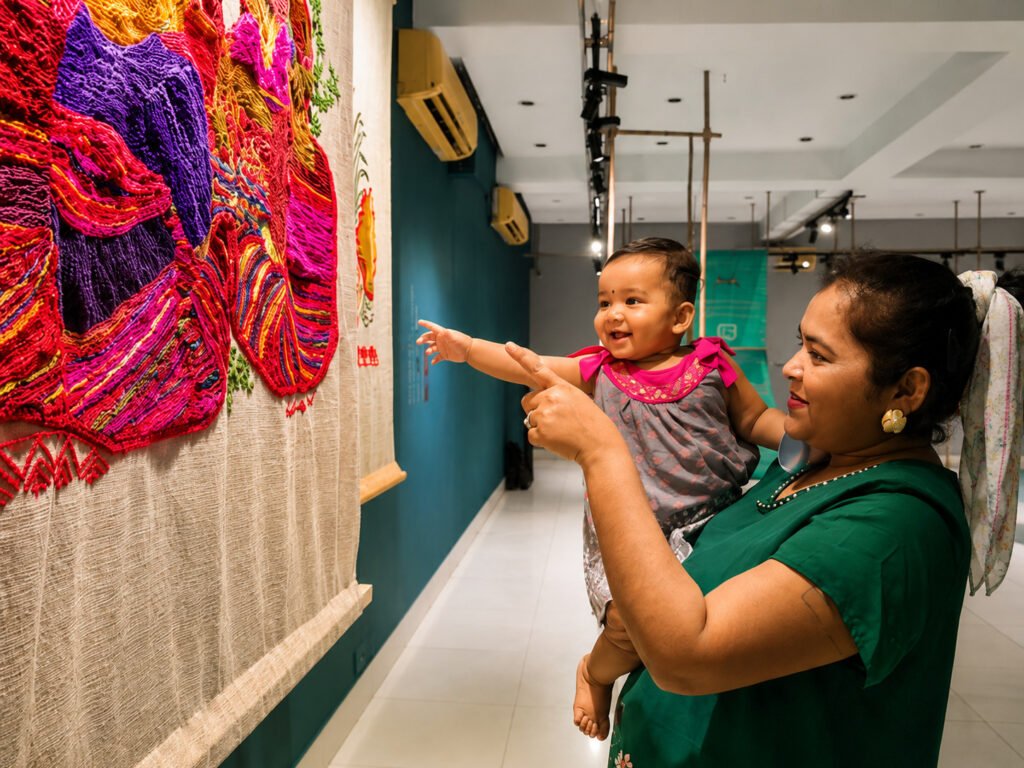
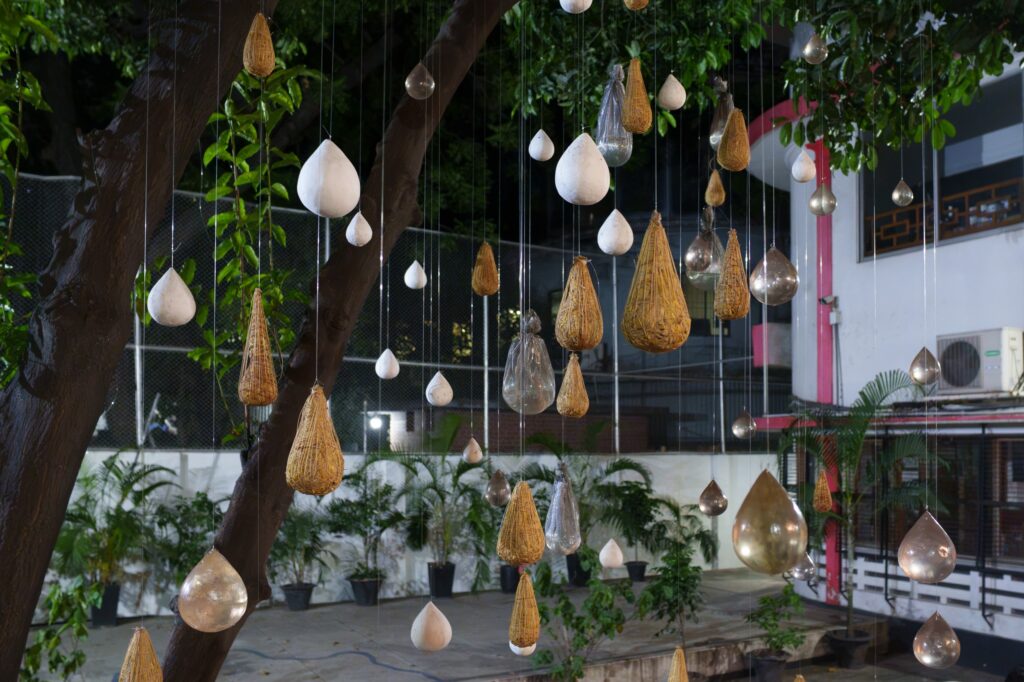
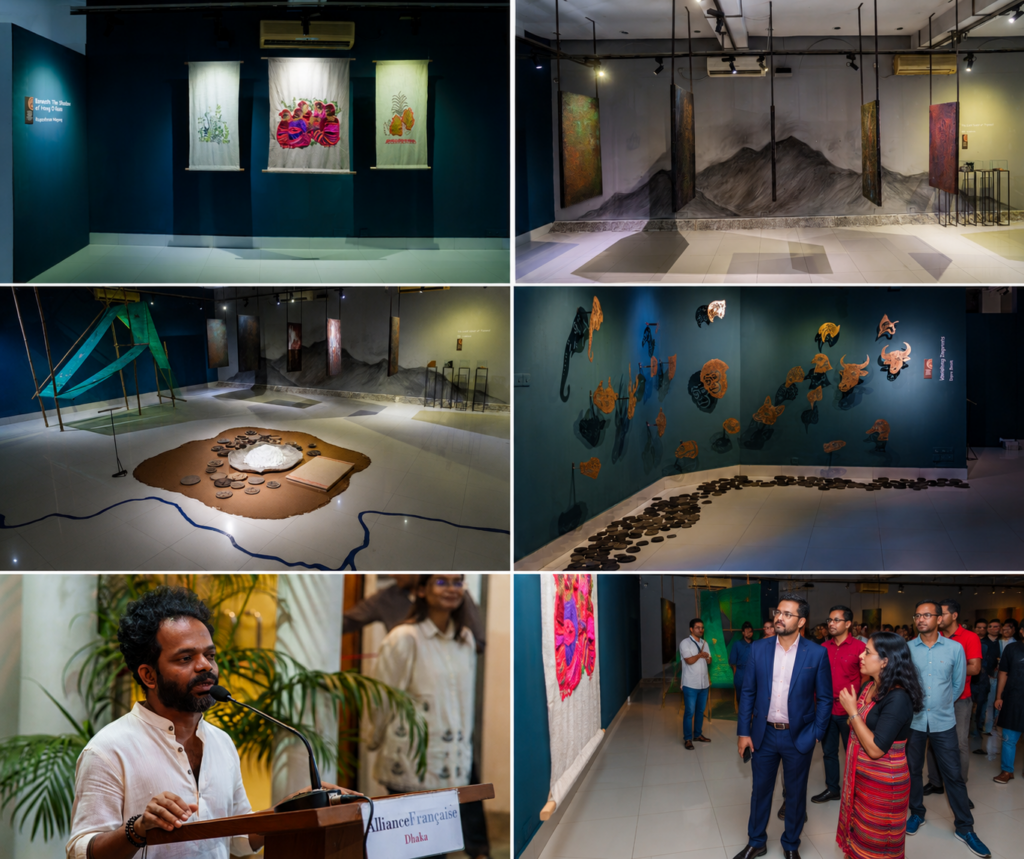
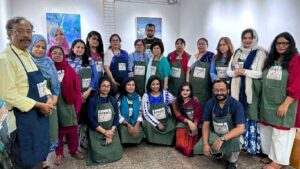
To explore environmental degradation, climate change, biodiversity loss, and humanity’s growing disconnection from nature through the language of art, Alliance Française de Dhaka is hosting the group exhibition “Search Soul, Soil: An Artistic Odyssey.” Curated by Kuntal Barai, the exhibition features the works of seven contemporary Bangladeshi artists. The exhibition’s documentation partners are Gallery Halkhata and Bengal Aura Creative.
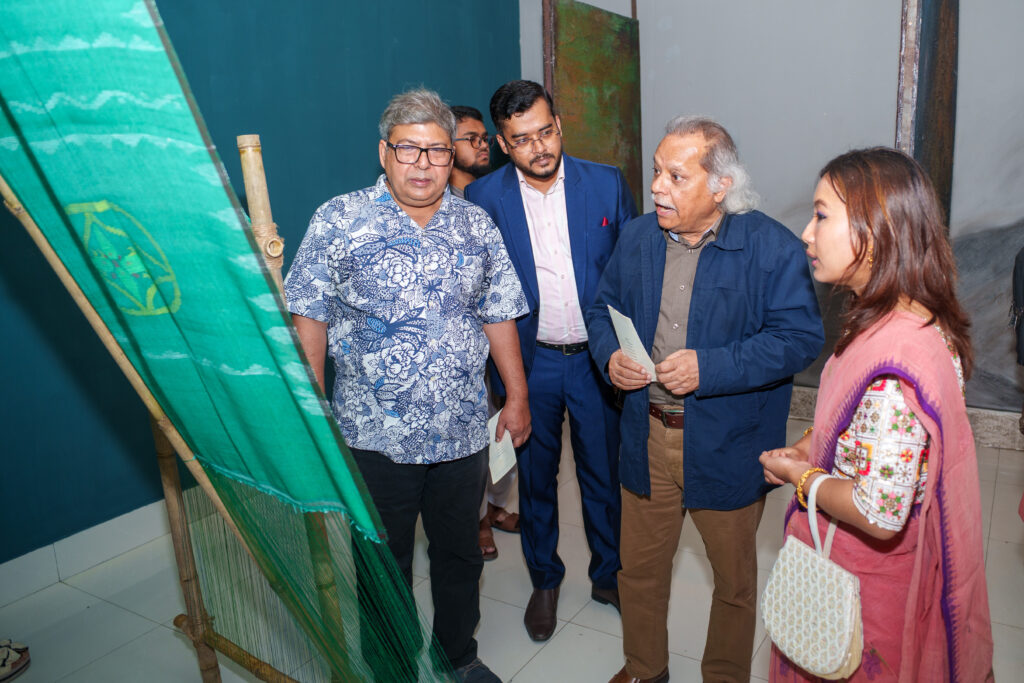
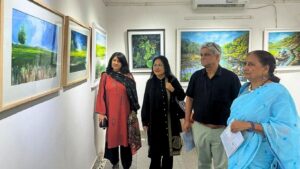
The exhibition was inaugurated on Saturday, 18 July 2026, at 6:00 PM at La Galerie, Alliance Française de Dhaka. The opening ceremony was attended by renowned Bangladeshi architect Shamsul Wares and eminent artist Moinuddin Khaled as distinguished guests. The exhibition will remain open to visitors from 18 to 28 July 2026, daily from 3:00 PM to 9:00 PM.
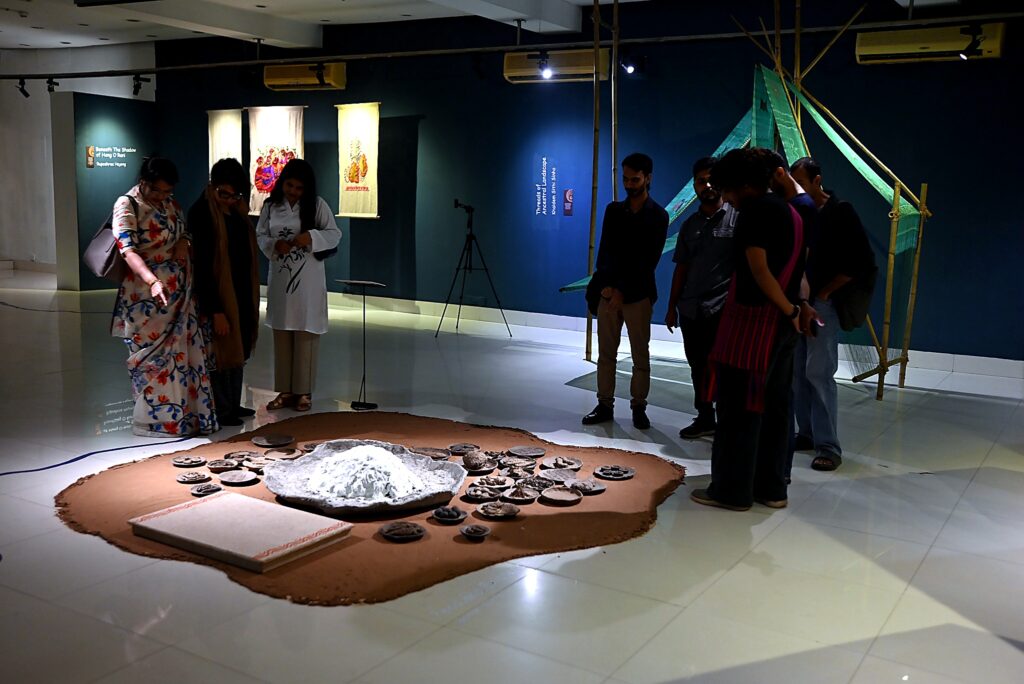
The participating artists are Banani Simlai, Dipro Bonik, Khaidem Sithi Sinha, Lutfa Mahmuda, Md. Faijul Islam, Md. Hashem, and Ruposhree Hajong. Their works explore the profound connections between memory, landscape, culture, the environment, and human existence. Drawing on personal experiences and close observation, the exhibition encourages audiences to reflect on contemporary environmental challenges and the shared responsibility of humanity toward nature.
According to the curatorial note, the exhibition invites viewers to reconsider the interconnected relationships between people, land, and the natural world in the face of escalating environmental degradation, biodiversity loss, and climate change. More than an art exhibition, “Search Soul, Soil” is an ongoing exploration of memory, ecology, geography, and cultural identity.
Each artist approaches these themes through a distinct visual language. Banani Simlai investigates the relationship between food, soil, and human existence. Md. Faijul Islam examines the environmental consequences of industrialization and acid rain. Lutfa Mahmuda reflects on migration, identity, and the emotional meaning of “home.” Khaidem Sithi Sinha celebrates the rich textile traditions of the Manipuri community and their deep connection with nature. Md. Hashem transforms the destruction of hills and fertile topsoil into a visual meditation on memory and resilience. Ruposhree Hajong presents textile-based installations inspired by Hajong rituals and folklore, highlighting the spiritual bond between indigenous communities and the natural world. Meanwhile, Dipro Bonik explores the changing relationship between landscapes, ecology, and human intervention.
The exhibition is accompanied by a research-based essay that highlights Bangladesh’s rapid urbanization, the shrinking of agricultural land and forests, the loss of river navigability, and the country’s deteriorating ecological condition. It argues that while art may not be able to restore damaged ecosystems, it can challenge indifference and inspire deeper reflection. Ultimately, “Search Soul, Soil” poses a compelling question to its audience: Before the last traces of nature disappear, what are we still willing to protect, restore, and remember?

Thank you for our photo.