
written by: News Desk
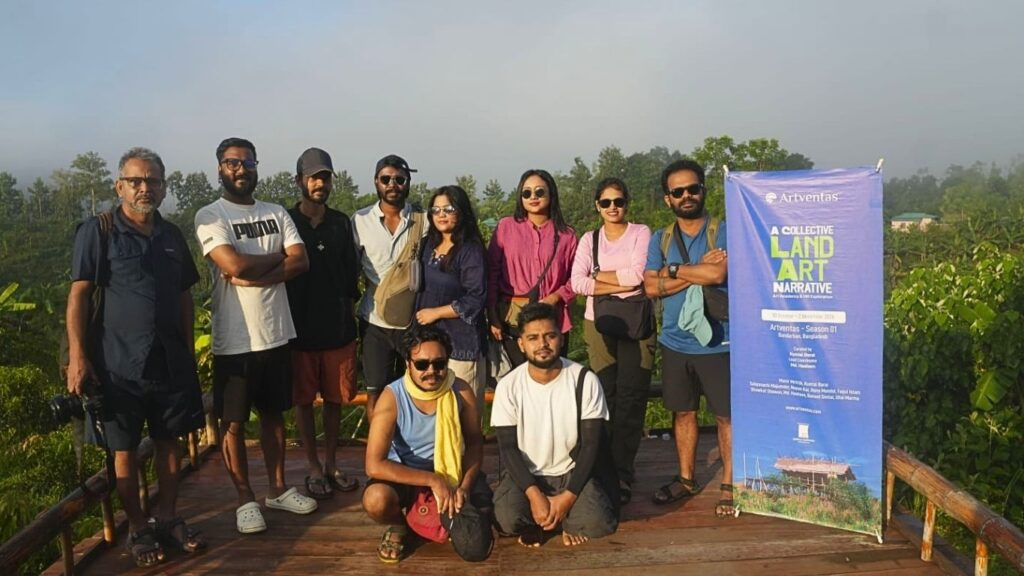
Bringing together the landscape, nature, local culture, and lived experiences of people through artistic practice, ArtVentas organised a four-day artist residency and mountain exploration programme in Bandarban. Featuring ten artists, the programme fostered a collective artistic narrative through nature observation, land art, photography, painting, art activities with children, and constructive discussions and critiques.
Is art confined to the designated space of a studio, the boundaries of a canvas, or the walls of a gallery? Or do the elements of art exist beyond these spaces—in nature, landscapes, human ways of life, and everyday cultural experiences? Exploring these fundamental questions, an interdisciplinary artist residency and mountain exploration programme titled ‘ArtVentas | Season 01: A Collective Land Art Narrative’ was organised in Bandarban, a picturesque hill district of Bangladesh.
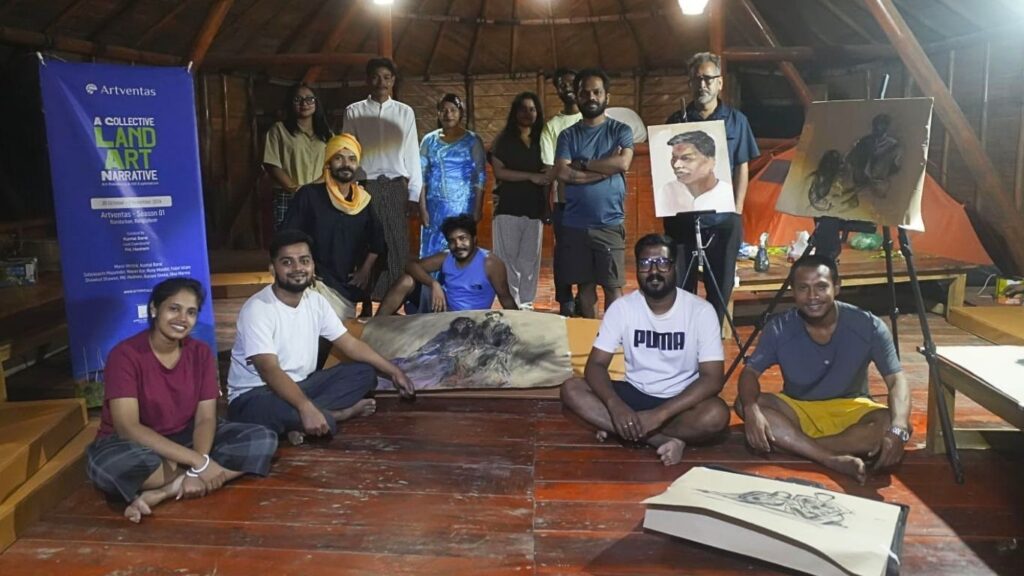
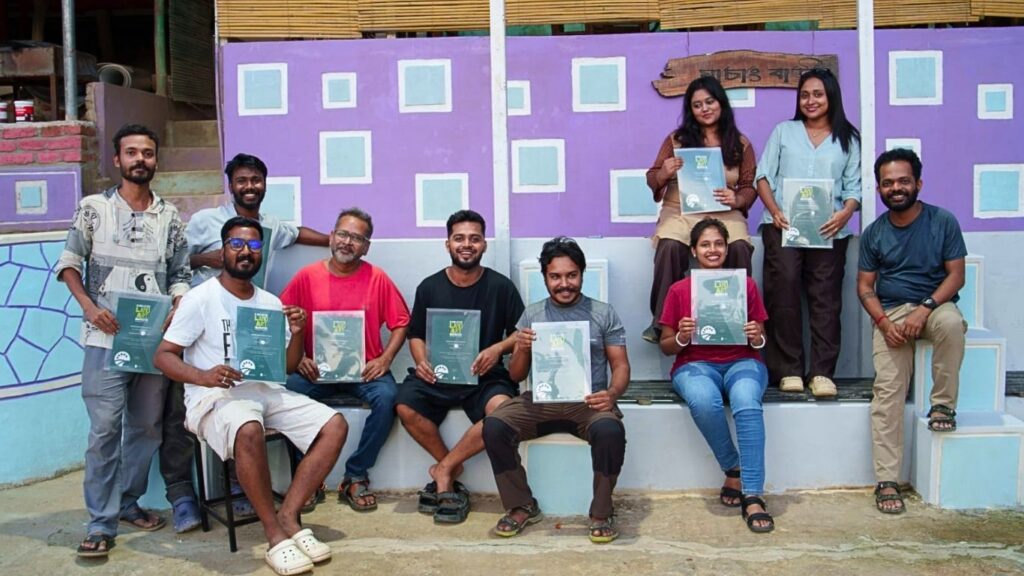
Initiated by ArtVentas, the four-day programme took place from 30 October to 2 November, bringing together ten artists: Manir Mridha, Sabyasachi Majumder, Kuntal Barai, Roni Mondal, Faizul Islam, Uhai Marma, Banani Simlai, Nayan Kar, Shawkat Shawon, and Md. Hasem. Artist Kuntal Barai served as the curator, while artist Hasem Sarwar was the chief coordinator. Gallery Halkhata joined the initiative as its documentation partner.
When Landscape Becomes an Active Element of Art
The title A Collective Land Art Narrative encapsulates the central philosophy of the initiative. Here, land and landscape are not merely subjects for painting or backdrops for artworks; rather, they become active spaces for developing new artistic languages through encounters with nature, the environment, and human experiences.
The hills, forests, streams, soil, changing light, and ecological diversity of Bandarban became sources of observation and creative exploration for the participating artists. Stepping beyond familiar urban environments and conventional institutional art practices, the artists had the opportunity to reconsider their artistic perspectives through direct engagement with nature.
The artists did not simply observe the aesthetic beauty of the natural surroundings. They also sought to understand the changing landscape, environmental characteristics, the relationship between people and the land, and different aspects of local life through an artistic lens. In this process, nature emerged simultaneously as an artistic medium, a source of inspiration, and a space for critical reflection.
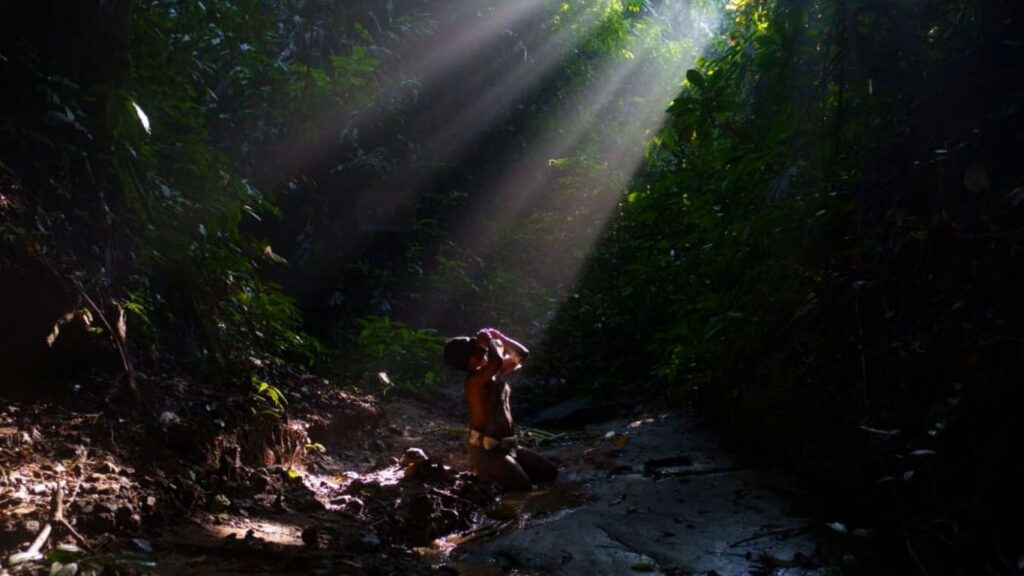
Direct Engagement with Nature through Artistic Practice
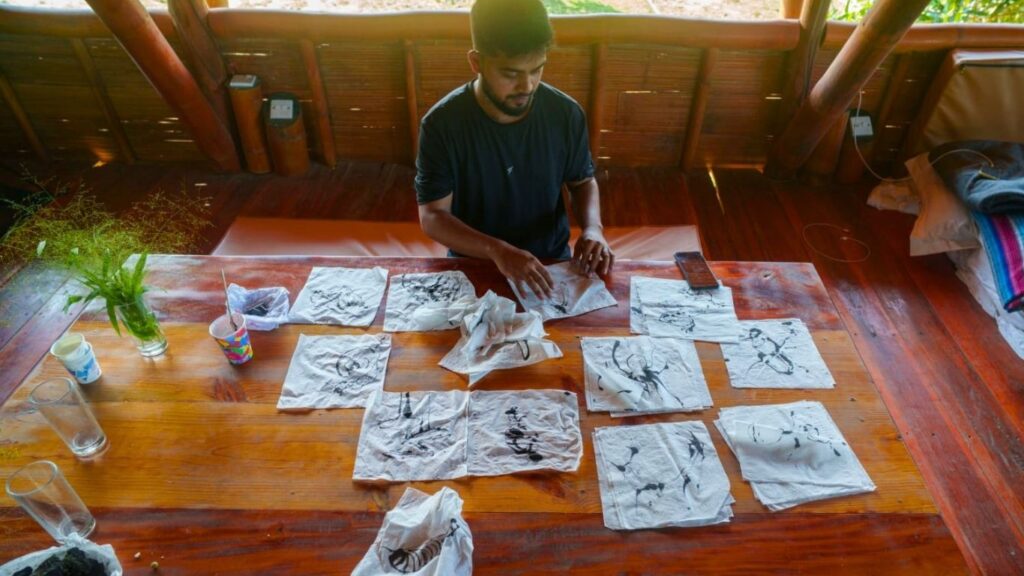
One of the significant activities of the four-day programme was the creation of land art. This form of artistic practice considers natural materials, geographical features, and surrounding environments as integral elements of an artwork. Moving beyond conventional artistic mediums, the artists expressed their creative ideas through direct engagement with the land and nature.
Alongside this, the artists explored the diverse forms of the hilly landscape through painting and photography, capturing changing patterns of light and shadow, vegetation, streams, and expansive natural vistas. Beyond documenting the visible beauty of nature, these artistic activities also encouraged a deeper understanding of its underlying characteristics and environmental significance.
Photography, in this context, was not merely a means of preserving travel memories; it became an independent visual language for documenting landscapes, human experiences, and the artists’ encounters with their surroundings. Similarly, painting from nature offered the artists an opportunity to translate personal emotions and observations into colours, lines, and compositions.
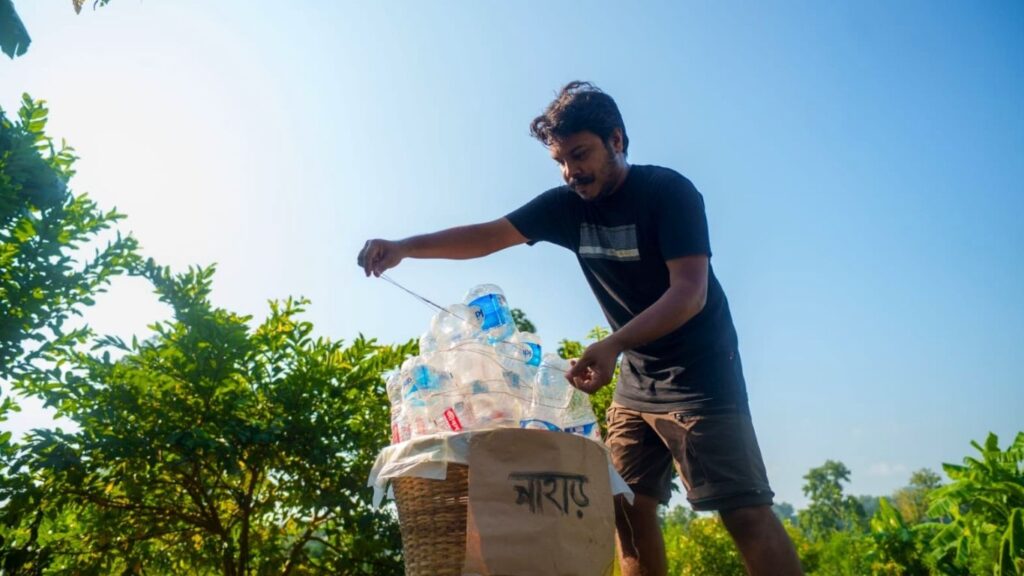
Building a Bridge Between Art and Hill Children
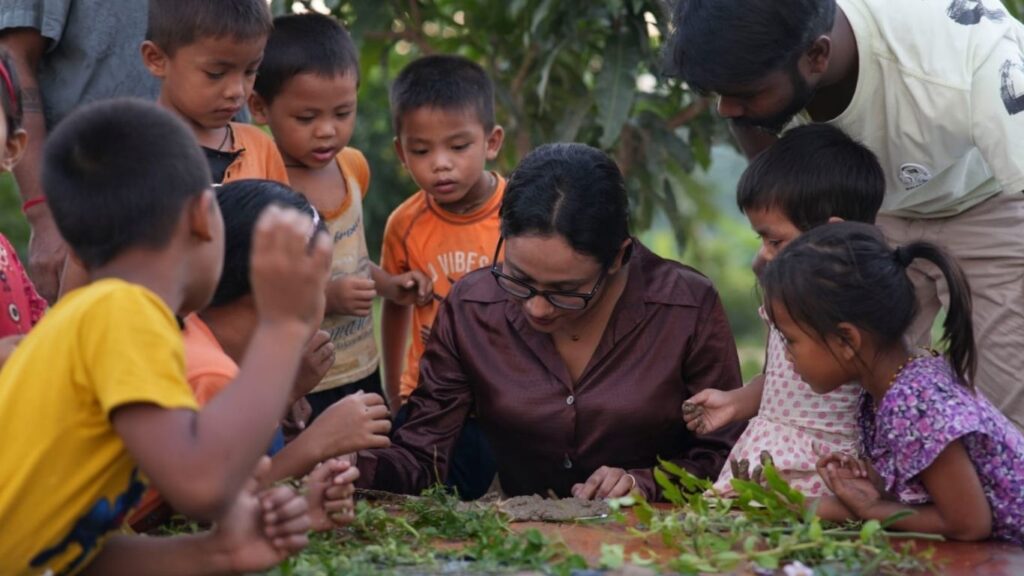
One of the notable aspects of the initiative was an art programme organised for children from the local hill communities. By involving local children in creative activities, the initiative sought to extend artistic engagement into a broader social context.
For children, art is not simply about learning drawing techniques. It is also a joyful means of observing their surroundings differently, experiencing nature, and expressing their imagination. Direct interaction with participating artists provided an opportunity for children to explore new dimensions of creative thinking and artistic expression.
At the same time, such initiatives create opportunities for meaningful interaction between artists and local communities. While artists gain new insights from the local environment and people’s everyday experiences, children become acquainted with different forms of artistic practice. In this way, art moves beyond galleries and institutional spaces, creating possibilities for meaningful engagement with everyday life.
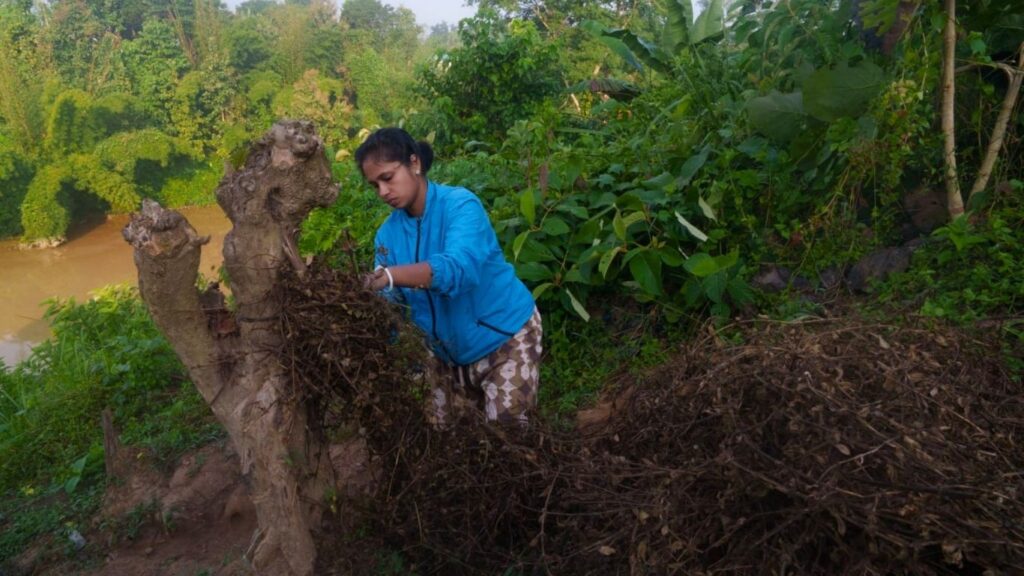
Dialogue, Reflection, and Collective Artistic Thinking
Alongside creative practice, the programme placed considerable emphasis on constructive discussions and critical reflection. The participating artists exchanged views on their observations, experiences, working processes, and artistic ideas.
Such dialogue is an essential component of collective artistic practice. The creation of an artwork is not merely an individual creative pursuit; it also involves concepts, contexts, the selection of materials, interpretations of the environment, and aesthetic decisions. Through mutual discussion and constructive criticism, artists gain opportunities to reassess and evaluate their own work from new perspectives.
In particular, nature- and landscape-based artistic practices raise important questions concerning the relationship between artists and the environment, the sustainability of artworks, the use of natural materials, and environmental responsibility. The opportunity to reflect upon and exchange ideas around these issues makes the ArtVentas initiative particularly relevant to contemporary art practice in Bangladesh.
Art, Environment, and Responsible Tourism
Organising an artist residency in a region as rich in natural and cultural diversity as Bandarban requires a responsible approach towards the environment. Hills, forests, and streams are not merely tourist attractions; they are integral to the lives, livelihoods, cultures, and broader ecological systems of local communities.
Therefore, alongside presenting nature as a subject of artistic exploration, developing sensitivity towards its preservation is another important dimension of such initiatives. When responsible tourism, respect for local cultures, and environmental conservation become integral to artistic practice, the social and cultural significance of art expands further.
An important consideration here is to value the experiences, perspectives, and participation of local communities rather than treating their cultures merely as artistic subject matter. After all, a meaningful narrative of any landscape emerges through the lives and experiences of the people who have maintained longstanding relationships with that land.
New Possibilities for Artistic Practice in Bangladesh
Nature, landscape, and the environment have long served as sources of inspiration for artists within Bangladesh’s visual arts tradition. However, bringing together nature observation, land art, photography, art activities for children, and critical discussions within a single collective residency in a specific geographical setting represents a significant interdisciplinary approach.
The importance of the ArtVentas initiative lies in its attempt to move beyond the conventional understanding of art as simply the production of objects for exhibition. Instead, it presents art as a medium for experience, exploration, dialogue, and the creation of social connections.
If initiatives of this nature can be developed and sustained across different regions of Bangladesh, the country’s diverse geographical landscapes, local cultures, ways of life, and environmental characteristics could become new sources of artistic exploration. At the same time, such programmes may create opportunities for creative engagement beyond the capital-centric framework of the country’s art scene, extending artistic activities into more remote regions.
The Beginning of a Collective Narrative
ArtVentas | Season 01: A Collective Land Art Narrative is therefore more than a four-day artistic excursion. It represents a collective effort to understand the relationship between nature, people, and art from new perspectives. The individual observations and creative experiences of ten artists, the participation of local children, land art, painting, photography, and collective discussions together created a multidimensional space for artistic exploration.
The extent to which these four days of shared experiences will generate new artistic languages, ideas, or creative possibilities will become clearer through future works and documentation. Nevertheless, ArtVentas’ initiative to bring art closer to nature and people has the potential to open new pathways for decentralisation, interdisciplinary connections, and environmentally conscious artistic practices in Bangladesh.
May this collective narrative, which began amid the landscapes of the hills, gradually extend across different regions of Bengal—where land, nature, people, and art come together to create new and evolving creative narratives.
Editorial note: The English version is structured for an international art journal audience. Before publication, please verify the official English spellings of all ten participating artists’ names, particularly Manir Mridha, Uhai Marma, and Md. Hasem, against their preferred professional spellings.