
written by: News Desk
For some artists, the places they lived and worked became as expressive as the art they created. From Monet’s flower-filled gardens to Frida Kahlo’s vivid blue home, these houses and studios preserve not only objects and artworks, but also the intimate worlds in which creativity unfolded. Here are 10 remarkable artists’ homes and gardens that have become museums in their own right.
An artist’s canvas does not always end at the edge of a painting.
Sometimes, creativity extends into the rooms where an artist lived, the studio where they worked, the garden they cultivated, or even the furniture and objects they chose to surround themselves with. These spaces can reveal something deeply personal—the artist’s habits, aesthetic sensibility, obsessions and ways of seeing the world.
That is what makes artists’ homes so compelling. They offer something a conventional museum often cannot: a sense of the environment in which the work was created.
Across Europe, America and beyond, former homes and studios of celebrated artists, writers, filmmakers and musicians have been preserved as museums. Each one tells a different story, but together they reveal how closely art and everyday life can be intertwined.
- Derek Jarman’s Prospect Cottage, England
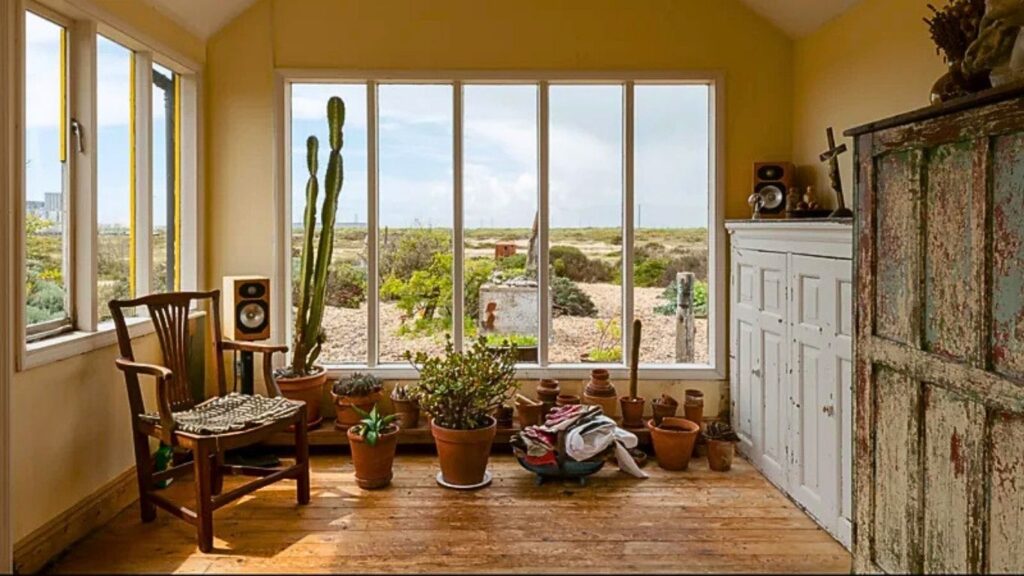
On the stark, windswept coastline of Dungeness in England stands Prospect Cottage, a small, dark-painted house that became the home and creative retreat of filmmaker and artist Derek Jarman.
Jarman lived here from 1986 until his death in 1994. The landscape surrounding the cottage, particularly its rugged garden, became an essential part of his artistic world.
Rather than trying to impose a conventional garden on the barren coastal terrain, Jarman worked with what was already there—stones, wild plants and the harsh natural environment. The result was an unconventional garden that reflected his artistic philosophy.
Today, Prospect Cottage remains an intimate memorial to Jarman’s life and work, offering visitors a glimpse into the secluded environment where he wrote, painted and created.
- Claude Monet’s House and Garden, Giverny, France
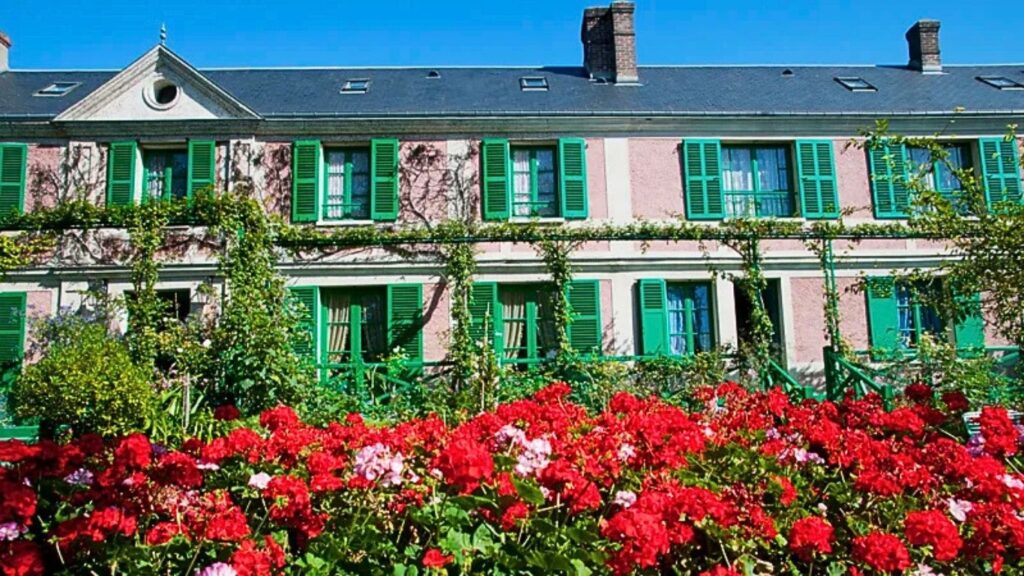
Few artists are as closely associated with a garden as Claude Monet.
The French Impressionist spent roughly 43 years at his home in Giverny, where he transformed the surrounding landscape into one of the most celebrated gardens in the history of art.
The water garden, Japanese bridge, bamboo, flowers and weeping willows became a recurring source of inspiration for Monet’s iconic Water Lilies series.
For Monet, gardening was more than a hobby. It was another form of artistic creation. He carefully selected plants, colours and compositions, creating a living landscape that could be observed and painted in constantly changing light.
Today, visitors from around the world come to Giverny not only to see where Monet lived, but to experience the landscape that helped shape some of his most influential paintings.
- Elvis Presley’s Graceland, USA
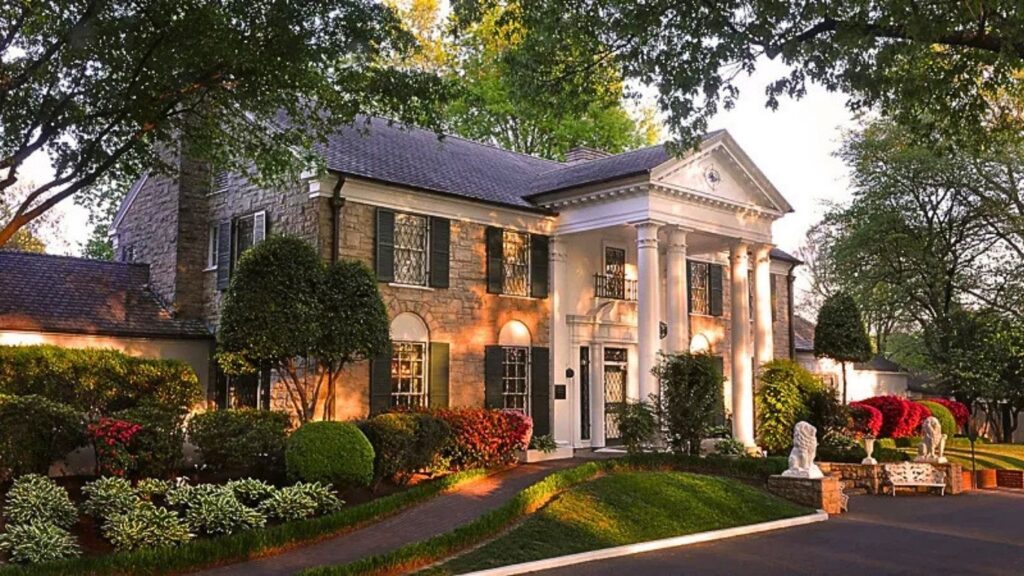
Graceland is inseparable from the legend of Elvis Presley.
The King of Rock ’n’ Roll bought the Memphis estate at just 22 and lived there until his death in 1977. Over the years, the house became deeply connected with his public image as well as his private life.
Inside are the famous Jungle Room, Elvis’s clothes and personal possessions, as well as memorabilia connected with his cars, music and lifestyle.
The Meditation Garden, where Elvis is buried alongside members of his family, adds a more personal dimension to the estate.
Today, Graceland is far more than a celebrity home. It is a cultural landmark that preserves the memory of one of the most influential figures in popular music.
- Charles Dickens’ Homes, England
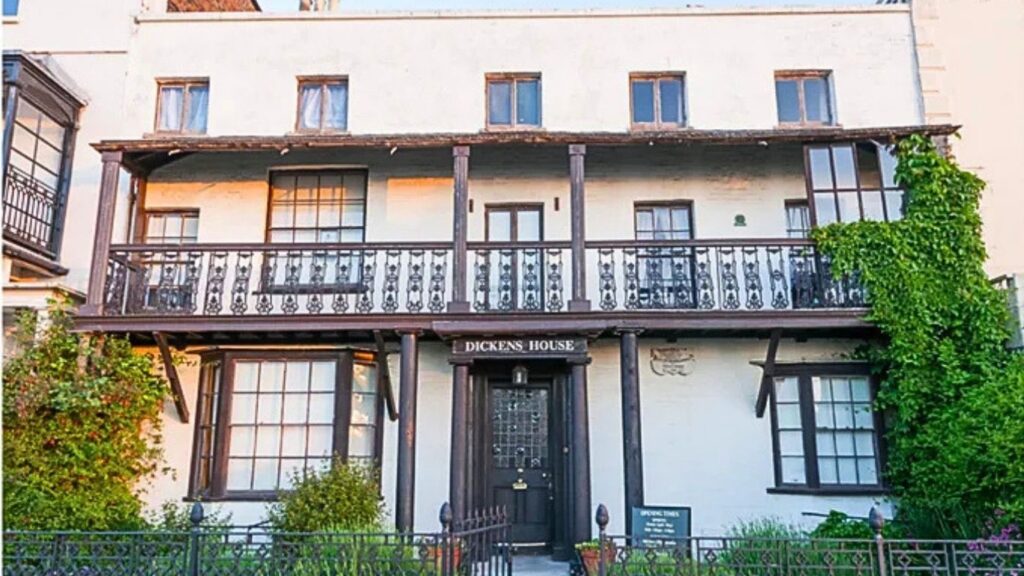
The world of Charles Dickens was built around characters, streets and interiors—and his own homes offer another way of entering that world.
The house at 48 Doughty Street in London, where Dickens lived and wrote, is now a museum. It preserves objects and interiors associated with the writer and provides an intimate look at his domestic and literary life.
Another important location is Broadstairs in Kent, where Dickens spent summers between 1837 and 1851. The town became an important part of his life and is associated with memories and places that influenced his writing.
Together, these locations provide more than a portrait of Dickens the novelist. They help reconstruct the physical and emotional environments from which his literary imagination emerged.
- Barbara Hepworth’s Museum and Sculpture Garden, St Ives
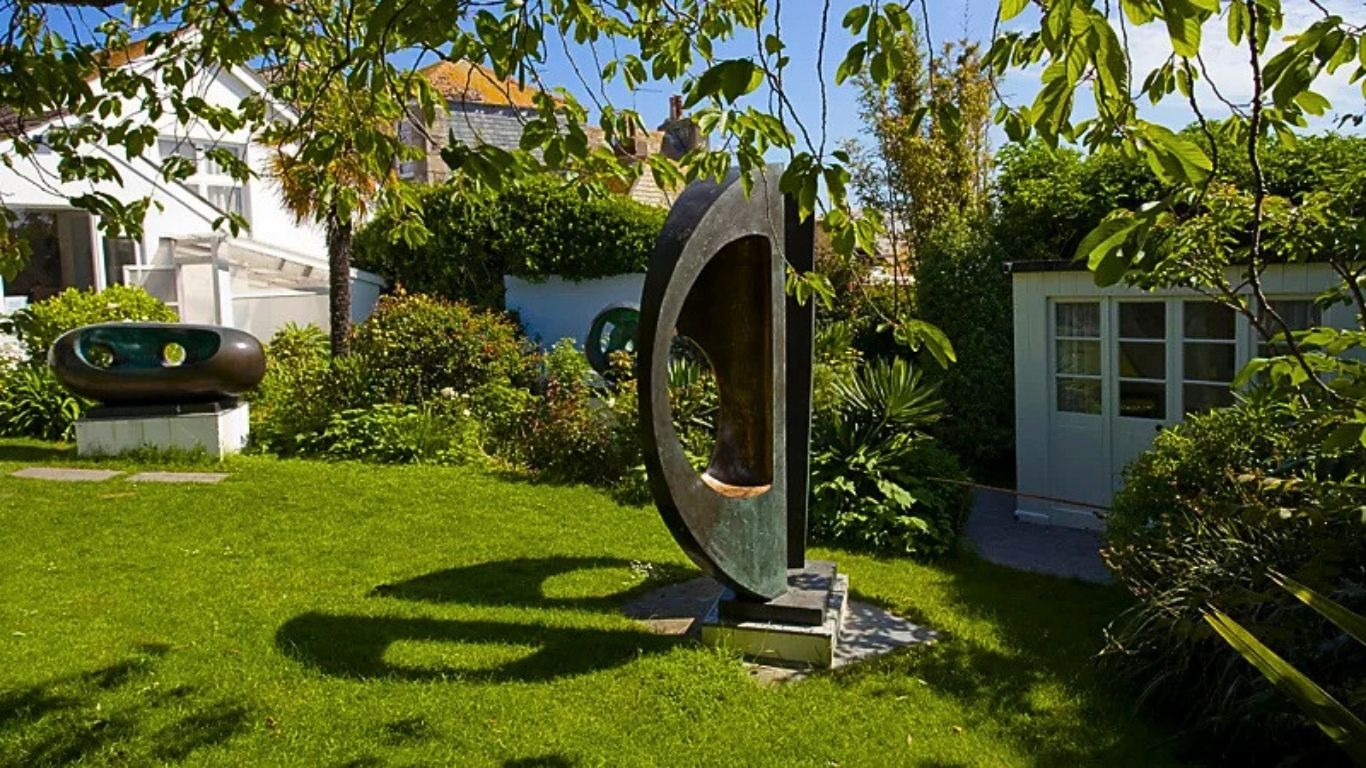
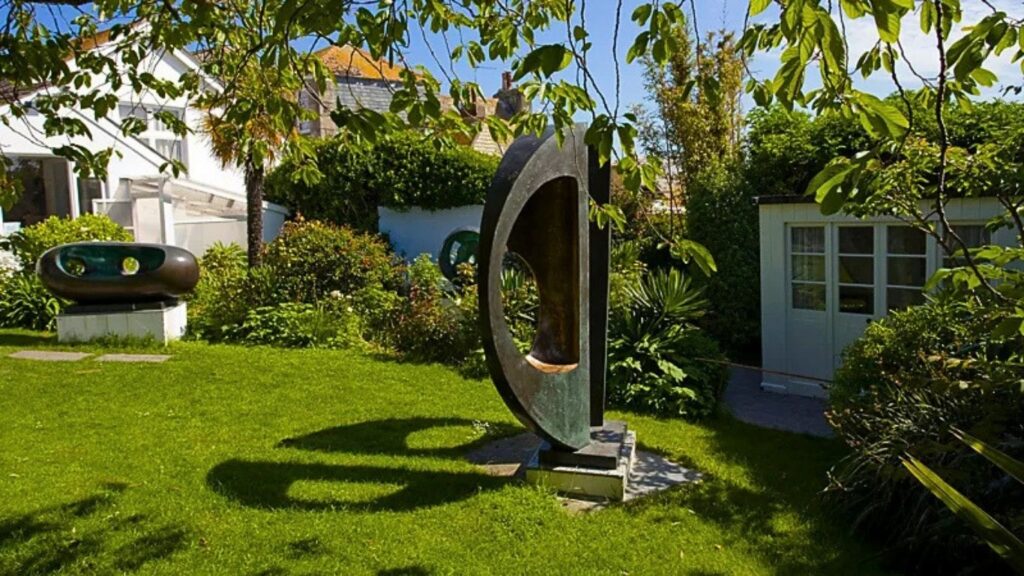
In 1949, British sculptor Barbara Hepworth bought Trewyn Studio in St Ives, Cornwall. It soon became both her home and a place of intense artistic activity.
Hepworth worked in the studio and used the surrounding garden as an open-air setting for her sculptures.
Today, the Barbara Hepworth Museum and Sculpture Garden preserves that intimate relationship between artist and place. Large-scale sculptures remain among the plants and trees, while smaller and more personal works are displayed inside.
The site carries traces of Hepworth’s professional achievements as well as the quieter dimensions of her private life.
Walking through the garden is therefore almost like entering one of her sculptures—a space where form, light, stone, plants and architecture exist in constant conversation.
- Frida Kahlo’s Casa Azul, Mexico
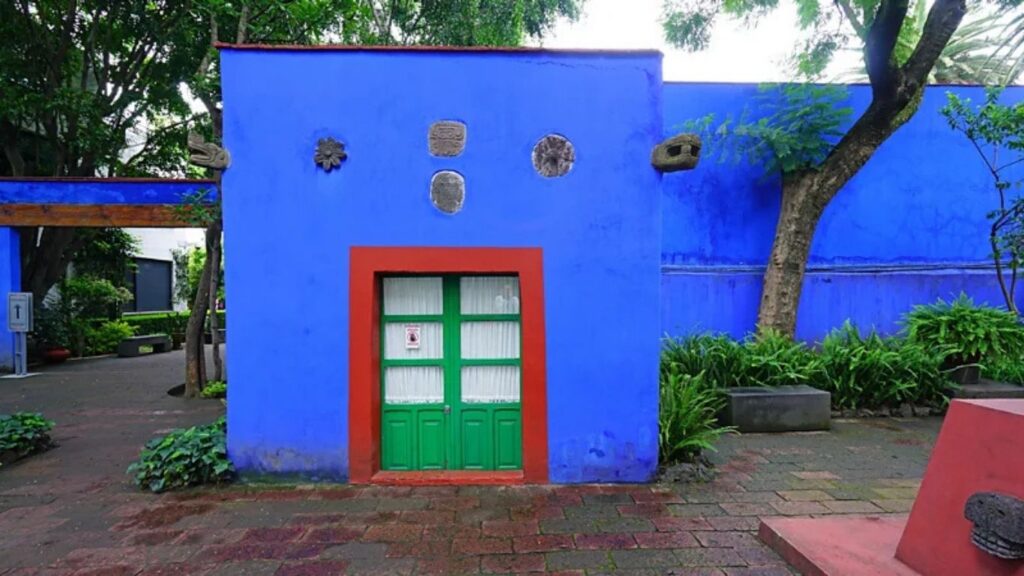
Few artists’ homes are as instantly recognisable as Casa Azul—the vivid blue house in Mexico City where Frida Kahlo was born and where she spent much of her life.
After her death, the house was transformed into a museum in accordance with her wishes. Today, it holds paintings, clothing, books, personal belongings, folk art and objects connected with pre-Columbian culture.
The garden is equally significant. Filled with cacti, plants and architectural elements associated with Kahlo and her husband, muralist Diego Rivera, it extends the visual language of her work beyond the canvas.
The house also preserves objects that speak to the physical challenges Kahlo endured throughout her life, including medical supports and mobility aids.
Casa Azul is therefore more than a collection of Frida Kahlo’s possessions. It is a portrait of the artist herself—her identity, pain, relationships, creativity and cultural roots.
When a Home Becomes Another Canvas
An artist’s work cannot always be fully understood through paintings, sculptures, books or music alone.
Sometimes, the most revealing clues are found in the spaces they inhabited—the chair where they worked, the garden they tended, the objects they collected, or the window through which they looked at the outside world.
Monet’s garden became an extension of his painting. Jarman’s coastal landscape became part of his artistic language. Hepworth’s garden turned into an outdoor gallery. And Casa Azul became inseparable from Frida Kahlo’s identity and visual world.
These places are not simply tourist attractions or historic properties. They preserve something more fragile and personal: the atmosphere in which creativity took place.
A painting may survive for centuries, but the room in which it was conceived can tell another kind of story.
An artist’s work may live on in galleries and museums, but sometimes the most intimate part of that legacy remains in the place they once called home.