
written by: News Desk
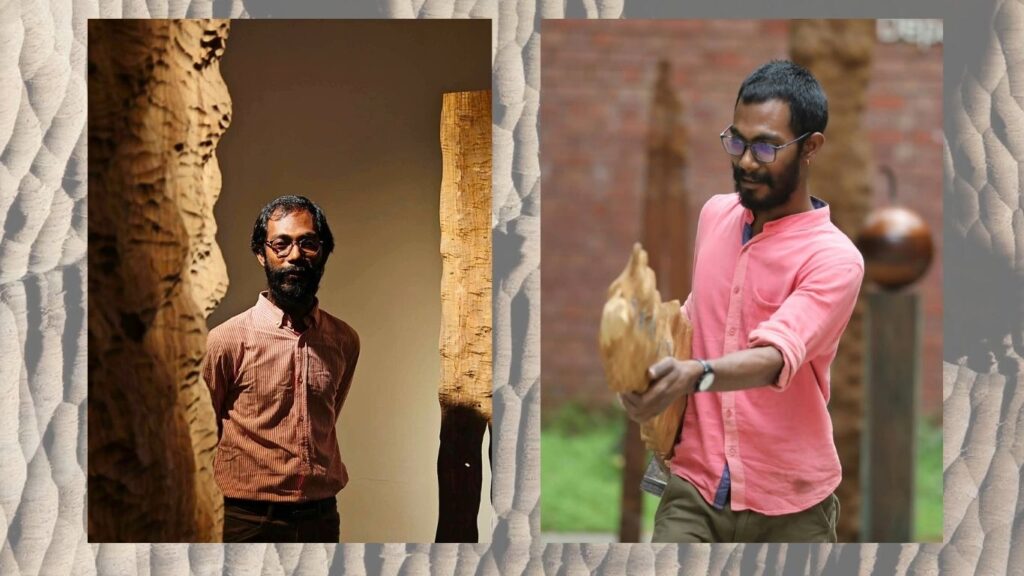
Human forms gradually emerge from the body of wood. Some bend like waves, while others suggest a sense of movement even within their stillness. Exploring the tension between the solidity of wood and the fluidity of water, young sculptor Sumon Barman presents his third solo sculpture exhibition, Inflow, at Kalakendra in Lalmatia, Dhaka.
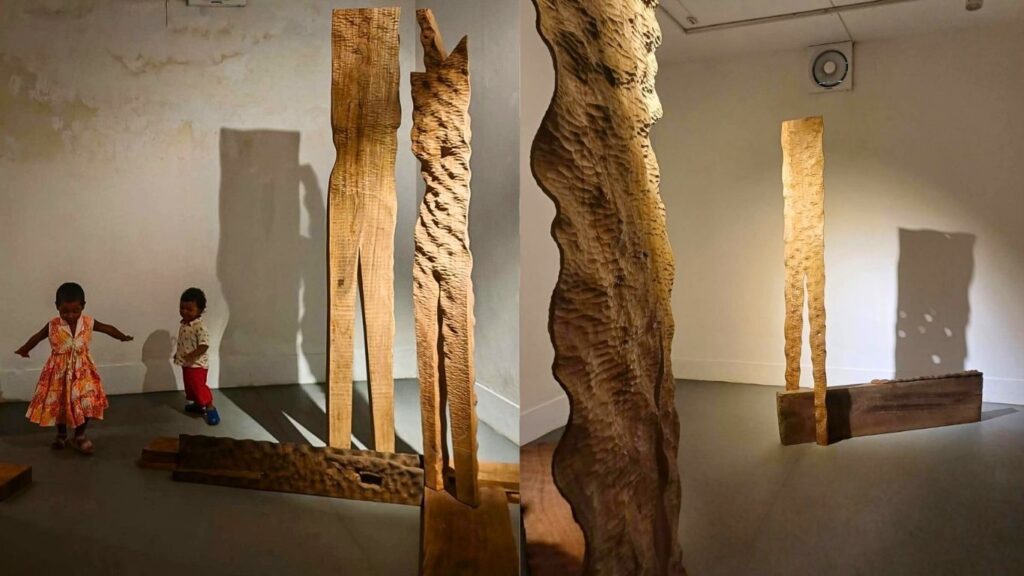
The exhibition opened on 14 August and will remain on view until 31 August 2026. Comprising seven sculptures, the exhibition is entirely centred on wood as its primary medium. Drawing upon the natural qualities of different logs, trunks, and wooden planks, Barman transforms the material into forms that evoke the human body, movement, and waves through his distinctive sculptural language.
The spatial arrangement of the exhibition is also closely connected to its conceptual framework. The sculptures are positioned vertically on a horizontal platform made of mahogany wood. The sculptures themselves incorporate different types of timber, including shil koroi, garjan, and chapalish, used in the form of logs, trunks, and planks. Through this interplay of horizontal and vertical forms, the artist creates a visual relationship between stillness and movement.
Echoes of Water in Wood
At the heart of Inflow are ideas of water, movement, and memory. Rather than representing water literally, Barman evokes its fluidity through the contours, lines, and rhythms of carved human forms.
For the artist, water is more than a natural element. It carries associations of life, heritage, and the memory of existence. The close relationship his ancestors maintained with water also finds an underlying resonance in his artistic practice. Although the medium has changed, that inherited relationship with water appears to continue as an unseen current within his work.
A Dialogue Between Wood and the Artist
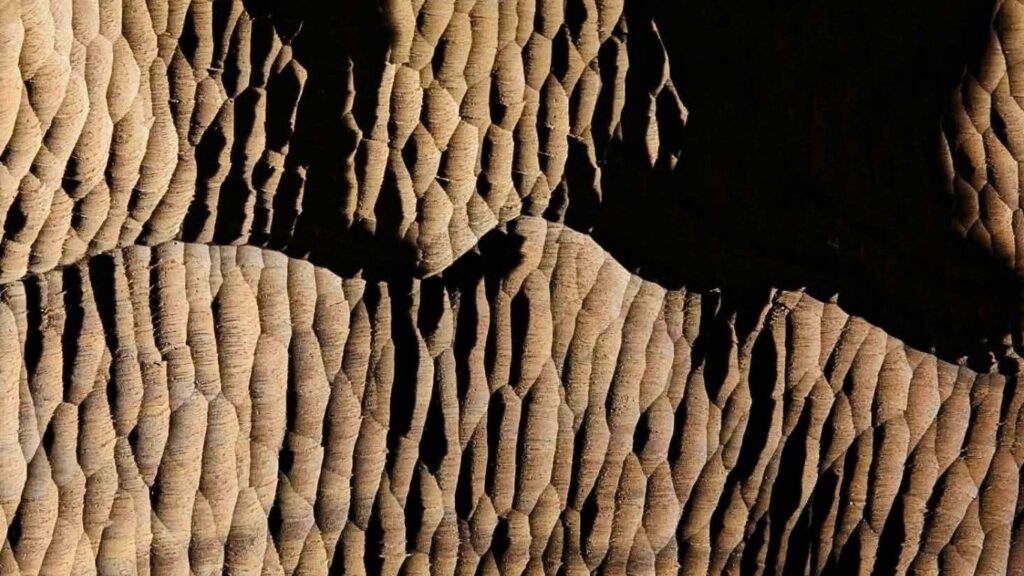
Barman gradually draws human forms from the natural structure, grain, and solidity of wood. Through this labour-intensive process, wood becomes more than a medium; it becomes an integral part of his artistic language and thought.
As layers of wood are removed to reveal a form, the process also suggests an inward search—an exploration of experience, memory, and existence. In this sense, sculpture becomes not merely a technical exercise, but an extended dialogue between the artist and himself.
Traces of Life in Art
There is a deep connection between Sumon Barman’s life experiences and his artistic practice. Personal struggles, labour, and dedication seem to leave their traces within his sculptures. The works in Inflow therefore suggest not only visible human forms but also the memory of life and the presence of intangible experiences.
Here, wood becomes the body, water becomes memory, and sculpture becomes a dialogue between the artist and his inner self.
The opening ceremony of the exhibition was held at Kalakendra on the evening of 14 August. The guests included Professor Lala Rukh Selim, Professor, Department of Sculpture, Faculty of Fine Art, University of Dhaka, and architect Naim Ahmed Kibria.
The welcome address was delivered by artist Wakilur Rahman, curator of the exhibition and Director of Kalakendra. Sculptor Sumon Barman also spoke about his artistic ideas and the underlying concept of the exhibition.
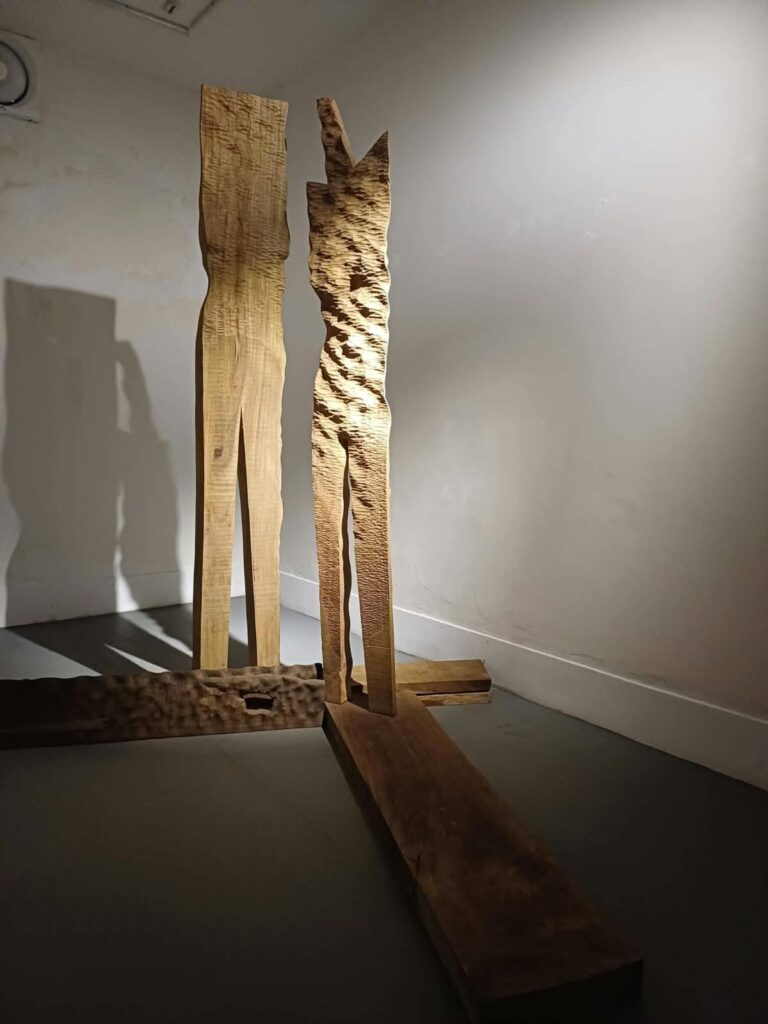
As a young sculptor, Barman’s Inflow demonstrates an effort to bring a natural and traditionally rooted material such as wood into a contemporary sculptural vocabulary. Centred on the human body, water, movement, and memory, the seven works invite viewers to encounter both the physical strength of the material and the underlying movement of life.
Ultimately, Inflow is more than an exhibition of human forms carved in wood. It is an attempt to make visible an invisible current beneath the surface—where water becomes a metaphor for memory, wood becomes the body, and sculpture becomes an extended conversation with the self.
Exhibition: Inflow
Artist: Sumon Barman
Medium: Sculpture and Installation
Exhibition Period: 14–31 August 2026
Visiting Hours: 4:00 pm–8:00 pm
Venue: Kalakendra, 9/3, Block-D, Lalmatia, Dhaka 1207, Bangladesh