
written by: News Desk
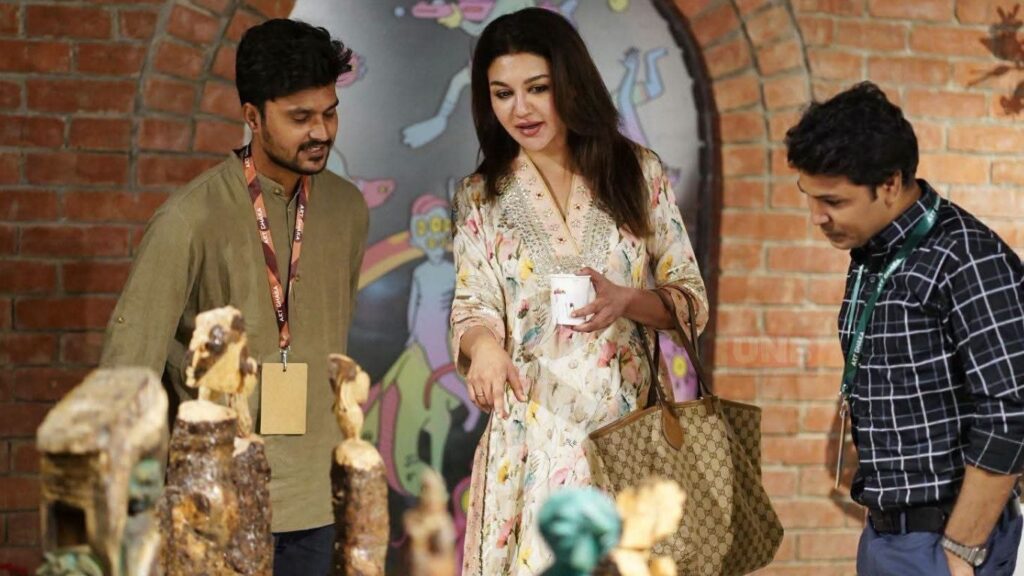
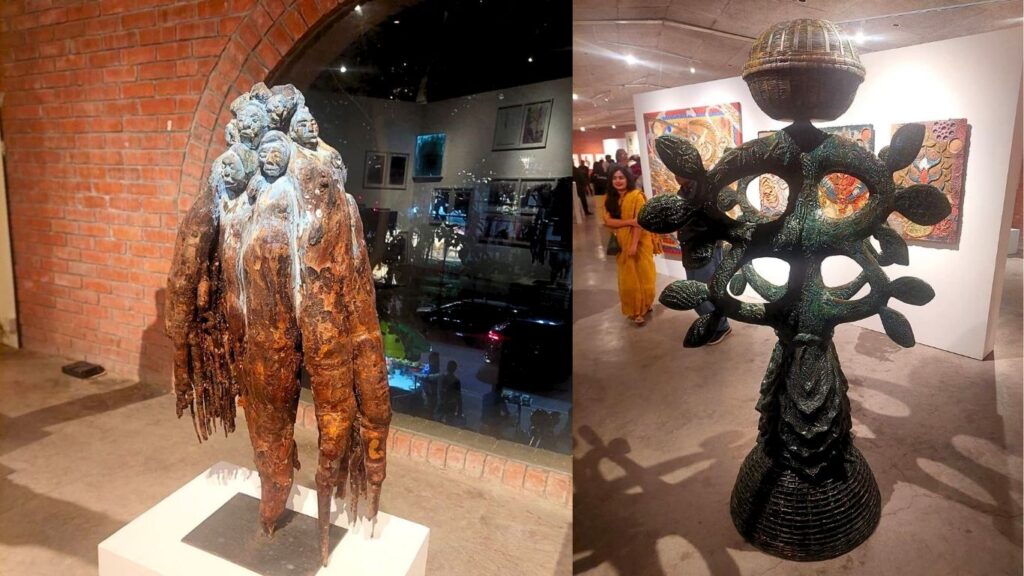
A five-day art festival, Art Dhaka, has opened at Aloki in Dhaka, bringing together exhibitions, artist–audience engagement, creative participation and discussions on the future of artistic practice in Bangladesh.
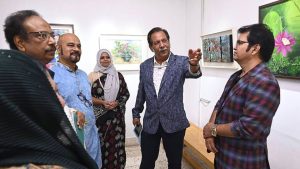
The festival welcomed the general public on Friday (November 6), attracting a significant number of art enthusiasts on its opening day. Visitors from different parts of the country explored the exhibitions, pavilions and interactive art activities.
Emerging as a new platform for Bangladesh’s art community, Art Dhaka runs from November 6 to 10. Featuring works by more than 130 artists, the festival brings together exhibitions, installations, immersive experiences, performances and discussions on art and culture.
The festival presents a range of curatorial perspectives across its different spaces. On the upper floor of Aloki, The Still Point, curated by Najmun Nahar Keya, is on display, while the ground floor hosts Narration. Thought. Chronicles., curated by Zihan Karim. Both exhibitions bring together artworks from diverse practices, offering visitors an opportunity to engage with different artistic languages and forms of expression.
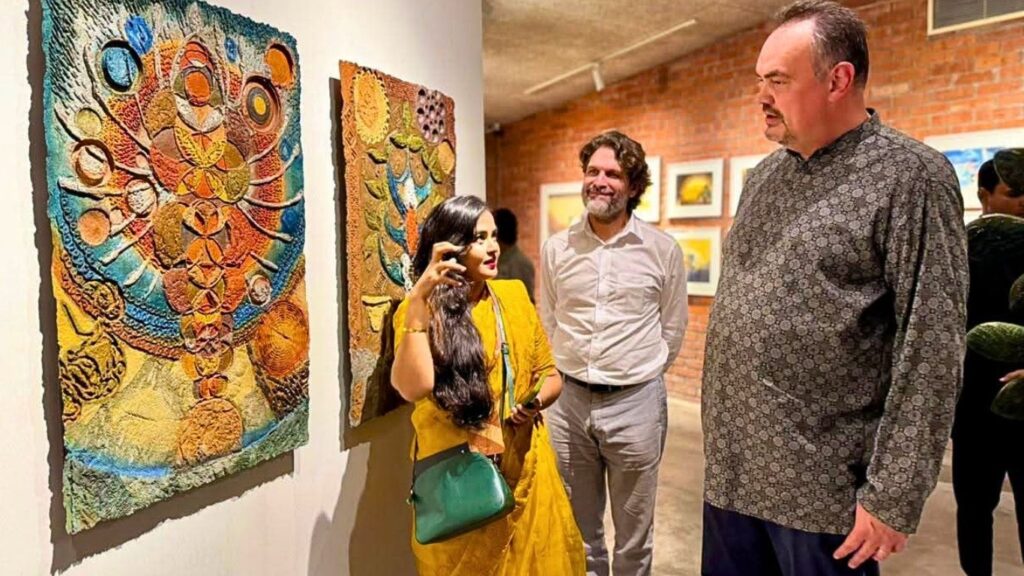
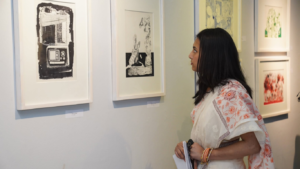
The Print Pavilion, titled The Art of Access and curated by Fareha Zeba, places particular emphasis on making art more accessible and encouraging a culture of art collecting. It features prints and works on paper by artists from different generations, creating an engaging space for both established collectors and new audiences.
Another notable presentation is Leaping Across Time, curated by Mustafa Zaman, which pays tribute to artists who have made significant contributions to the development of modern art in Bangladesh. The Immersive Art Zone offers a different artistic experience through the integration of images, sound, movement and spatial presentation. It explores the artistic worlds of masters such as Zainul Abedin and SM Sultan, alongside Rokeya Sultana’s Fata Morgana series.
One of the festival’s popular interactive attractions is Make Plate, Take Print. Visitors of different ages are invited to create their own drawings, which are subsequently coloured and printed with the assistance of volunteers. Participants can take their finished prints home as souvenirs, free of charge. The initiative makes artistic engagement more accessible by allowing visitors to become active participants in the creative process.
Alongside the exhibitions, one of the key programmes on the opening day focused on the infrastructure needed to sustain artistic practice and support evolving art forms. At a discussion titled Sustaining Artistic Practice: Building an Infrastructure for Evolving Art Forms, artists and art educators highlighted several structural challenges facing the country’s art community.
Moderated by Katerina Don, the session featured artists Sumon Wahed, Wakilur Rahman and Faysal Zaman.
Sumon Wahed, a lecturer at the Department of Drawing and Painting at the University of Dhaka, discussed limitations in art education, the shortage of studio spaces and storage facilities for young artists, and the lack of adequate financial support.
Painter, printmaker and sculptor Wakilur Rahman emphasised the importance of collective participation from institutions and professionals in building a sustainable art ecosystem.
Visual artist and researcher Faysal Zaman questioned the limited state support available to artists and called for broader discussions that include emerging practitioners. He argued that excluding younger artists from such conversations amounts to a form of structural violence.
Following the discussion, two short films, Shabnam by Reetu Sattar and Kheyal by Munem Wasif, were screened at the Glasshouse.
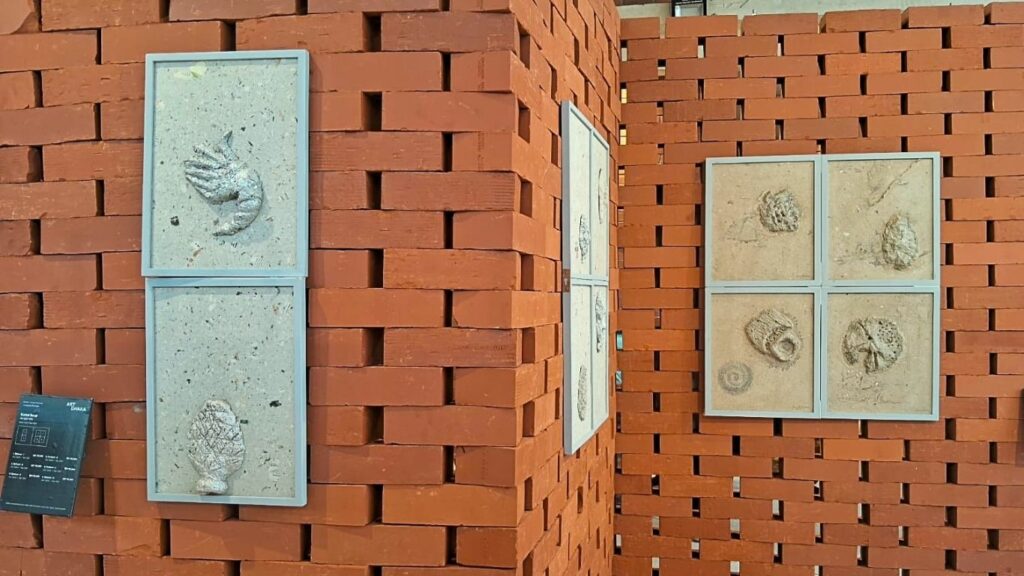
Architecture and sustainable construction also form an important part of this year’s Art Dhaka. A special pavilion, designed by architect Rashed Chowdhury, has been installed in the parking area. Its construction incorporates materials and structural approaches that allow it to be dismantled, reused and adapted for other purposes after the festival concludes. The Glasshouse, meanwhile, serves as a space for discussions and exchanges among artists, architects, collectors and cultural practitioners.
The festival’s Critical Discourse programme will continue throughout the event, featuring conversations on various aspects of art and culture. On November 7, two sessions are scheduled: The State of the Print: Practice, Production and Possibility, exploring contemporary printmaking, its production and future prospects, and The Right to Art: Reimagining the Cultural Life of a City, examining the role of art in urban life and the cultural rights of city residents.
On November 8, The Art Market: Value, Patronage and the Culture of Collecting will explore the dynamics of the art market, the value of artworks, patronage and collecting practices. The November 9 programme will focus on art criticism, cultural memory and the changing nature of artistic expression.
Alongside the strong visitor turnout, the festival has also generated interest in art purchases. According to sales representatives at different pavilions, several artworks were sold during Thursday’s special preview, while purchasing interest increased after the festival opened to the public on Friday.
Founded by Durjoy Rahman, Nahar Khan, Fahd Sattar and Aumia Khundkar, Art Dhaka brings together experience from the fields of art, culture, media and creative industries to establish a broader platform for artistic expression and cultural exchange. The organisers aim to strengthen connections among artists, galleries, collectors, institutions and the wider public while contributing to a more sustainable ecosystem for artistic practice in Bangladesh.
Art Dhaka remains open to visitors daily from 10:00 am to 10:00 pm at Aloki in Dhaka until November 10. Beyond presenting diverse artistic practices and creative expressions, the festival offers an important platform for reflecting on the institutional, professional and economic conditions necessary for the future of art in Bangladesh.