
written by: News Desk
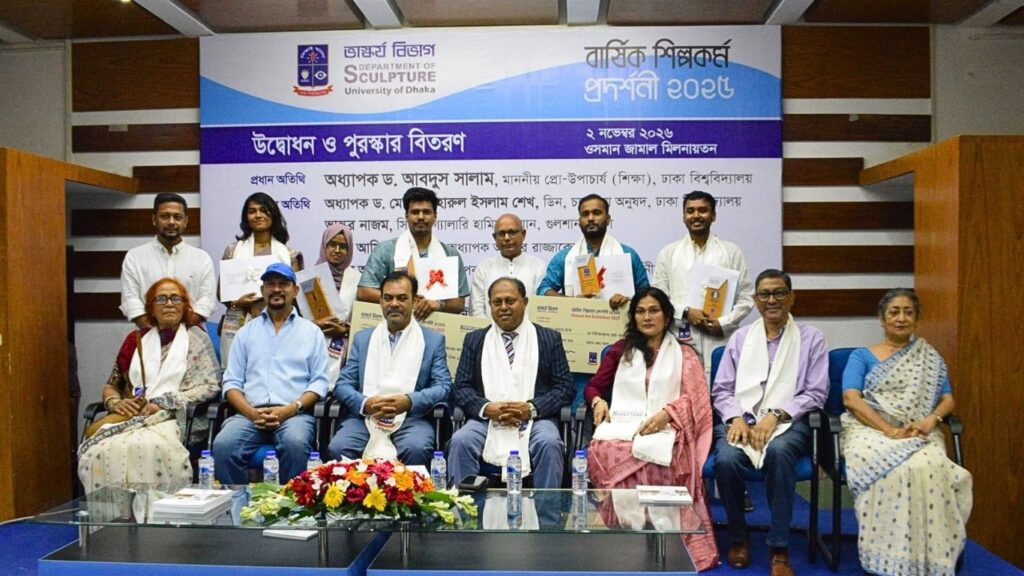
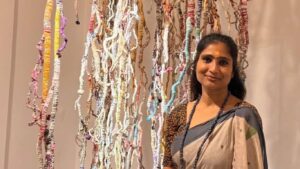
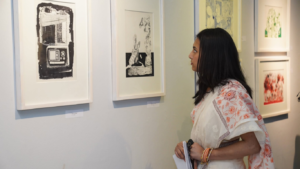
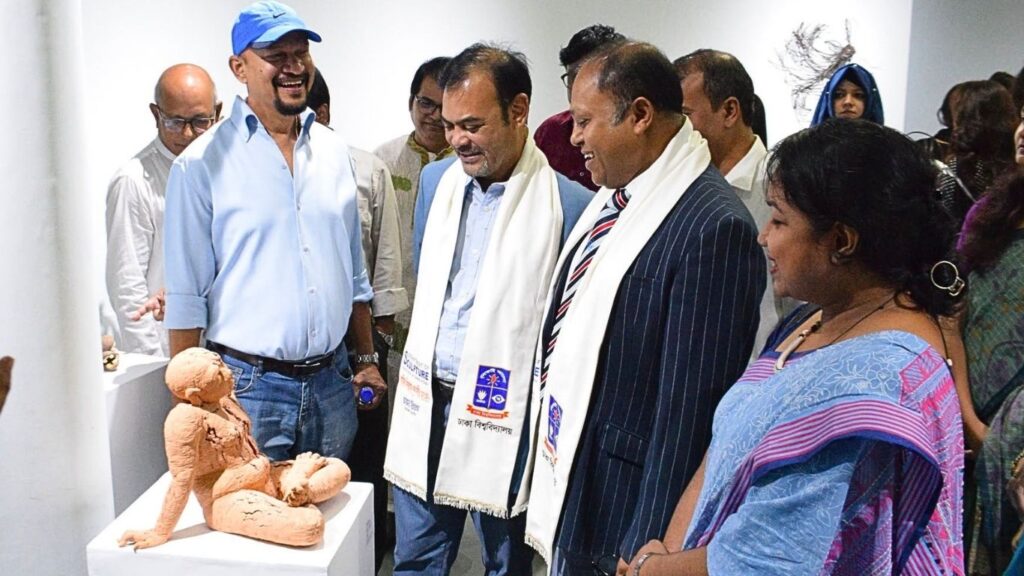
A week-long annual exhibition of artworks by students of the Department of Sculpture at the Faculty of Fine Arts, University of Dhaka, has opened at Zainul Gallery. The exhibition showcases students’ artistic practices, experimentation and creative ideas. Six students received awards in different categories at the opening ceremony.
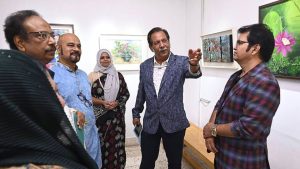
The inauguration and award-giving ceremony of the Department of Sculpture’s Annual Art Exhibition 2026 was held on Monday, November 2, at the Osman Jamal Auditorium of the Faculty of Fine Arts. Professor Dr Abdus Salam, Pro-Vice-Chancellor (Education) of the University of Dhaka, inaugurated the exhibition as the chief guest.
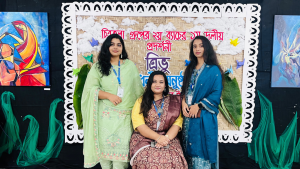
Six awards were presented to selected artworks by BFA and MFA students of the 2024–2025 academic year. The awards recognise students’ experimental approaches, creative practices and proficiency in different artistic mediums, while also commemorating influential figures in the history of modern and contemporary sculpture in Bangladesh.
Supriyo Kumar Ghosh, an MFA second-part student, received the Experimental Best Award, while Md Tafsirul Islam, a BFA third-year student, won the Medium Best Award.
The Novera Ahmed Memorial Award went to Sumit Roy, an MFA first-part student. Faiza Fairuz, a BFA third-year student, received the Professor Abdur Razzaq Memorial Award. Sweety Akter, an MFA first-part student, won the Professor Hamiduzzaman Khan Memorial Award, while Farhana Alam Isha, a BFA third-year student, received the Artist Anwar Jahan Memorial Award. All six award recipients belong to the 2024–2025 academic year.
The award titles commemorate several influential figures in Bangladesh’s sculpture and art education. Sculptor Novera Ahmed is regarded as one of the pioneers of modern sculpture in Bangladesh. Professor Abdur Razzaq was an influential thinker and educator, while Professor Hamiduzzaman Khan and artist Anwar Jahan are two prominent names in the country’s sculpture practice. The memorial awards named after them connect students’ artistic pursuits with Bangladesh’s broader artistic heritage.
Speaking at the inauguration, Professor Abdus Salam said that the Department of Sculpture at the University of Dhaka has a rich legacy spanning nearly 70 years. Established through the contributions of artist Zainul Abedin and Professor Abdur Razzaq, the department has produced many distinguished artists and creative individuals. He expressed hope that its tradition of excellence and creativity would continue in the years ahead.
Highlighting the creativity and unconventional thinking reflected in the students’ works, he observed that creative ideas and innovation are more important than financial resources in bringing an artistic vision to life. Sculpture, he noted, can explore a wide range of subjects, including history, heritage, movements, struggles, education and research. He also acknowledged the department’s significant contribution in this regard.
He congratulated the participating students and encouraged them to continue advancing their artistic practices and creative pursuits.
Professor Dr Md Azharul Islam Sheikh, Dean of the Faculty of Fine Arts; Asif Ahmed, son of Professor Abdur Razzaq; and sculptor Ivy Zaman attended the event as special guests.
The ceremony was chaired by Professor A A M Kawsar Hasan, Chairperson of the Department of Sculpture. Mukul Kumar Baroi, convener of the annual exhibition organising committee, delivered the welcome address.
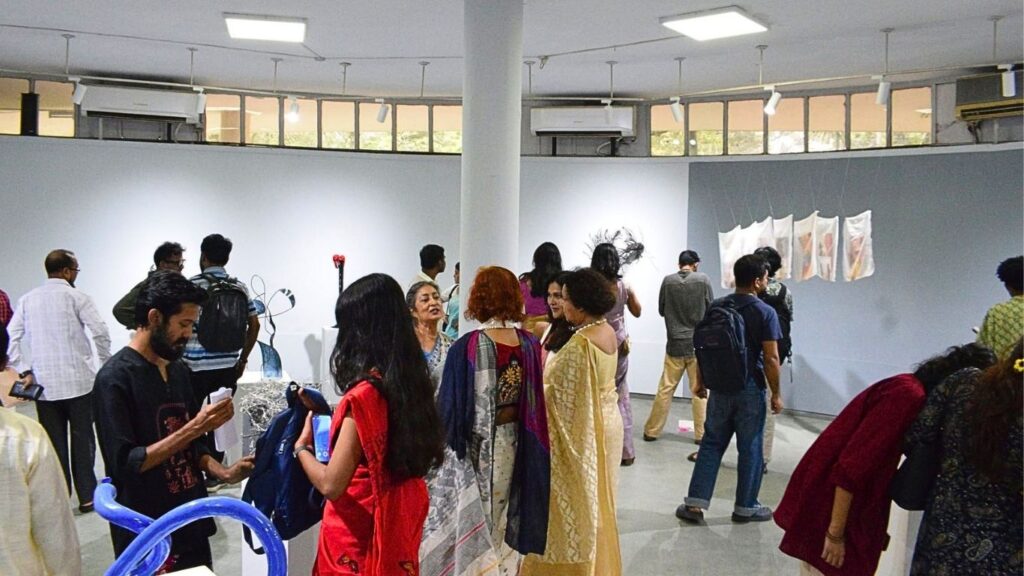
The event was also attended by the university’s proctor, provosts of various residential halls, teachers and students of the Faculty of Fine Arts, artists, former students and invited guests.
The exhibition, which opened on November 2 at Zainul Gallery of the Faculty of Fine Arts, will remain on view until November 8, 2026. Visitors will have the opportunity to explore the artworks created by the department’s students throughout the week.
In the institutional context of art education, an annual exhibition is more than a platform for presenting students’ works. It also provides an important opportunity to assess their artistic ideas, use of materials, experimentation and creative approaches. At the same time, such exhibitions bring emerging artists into closer contact with audiences and the wider art community.