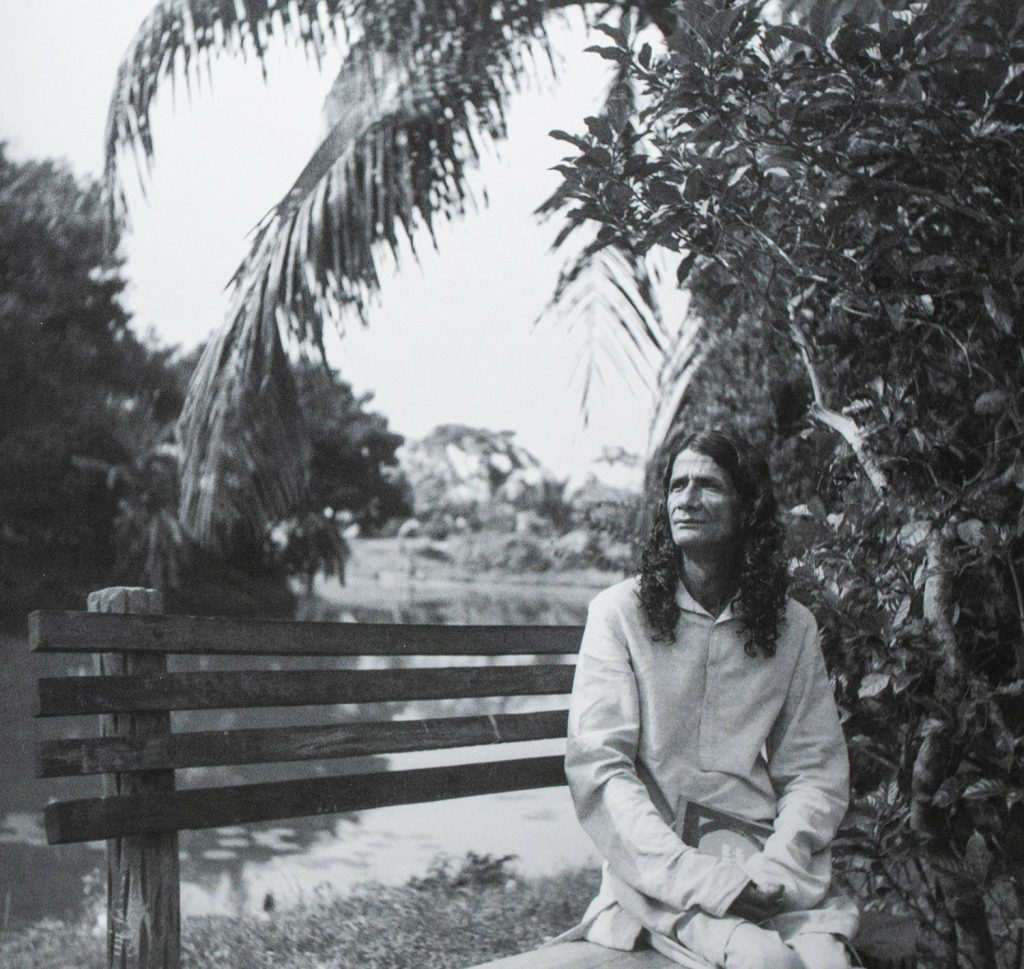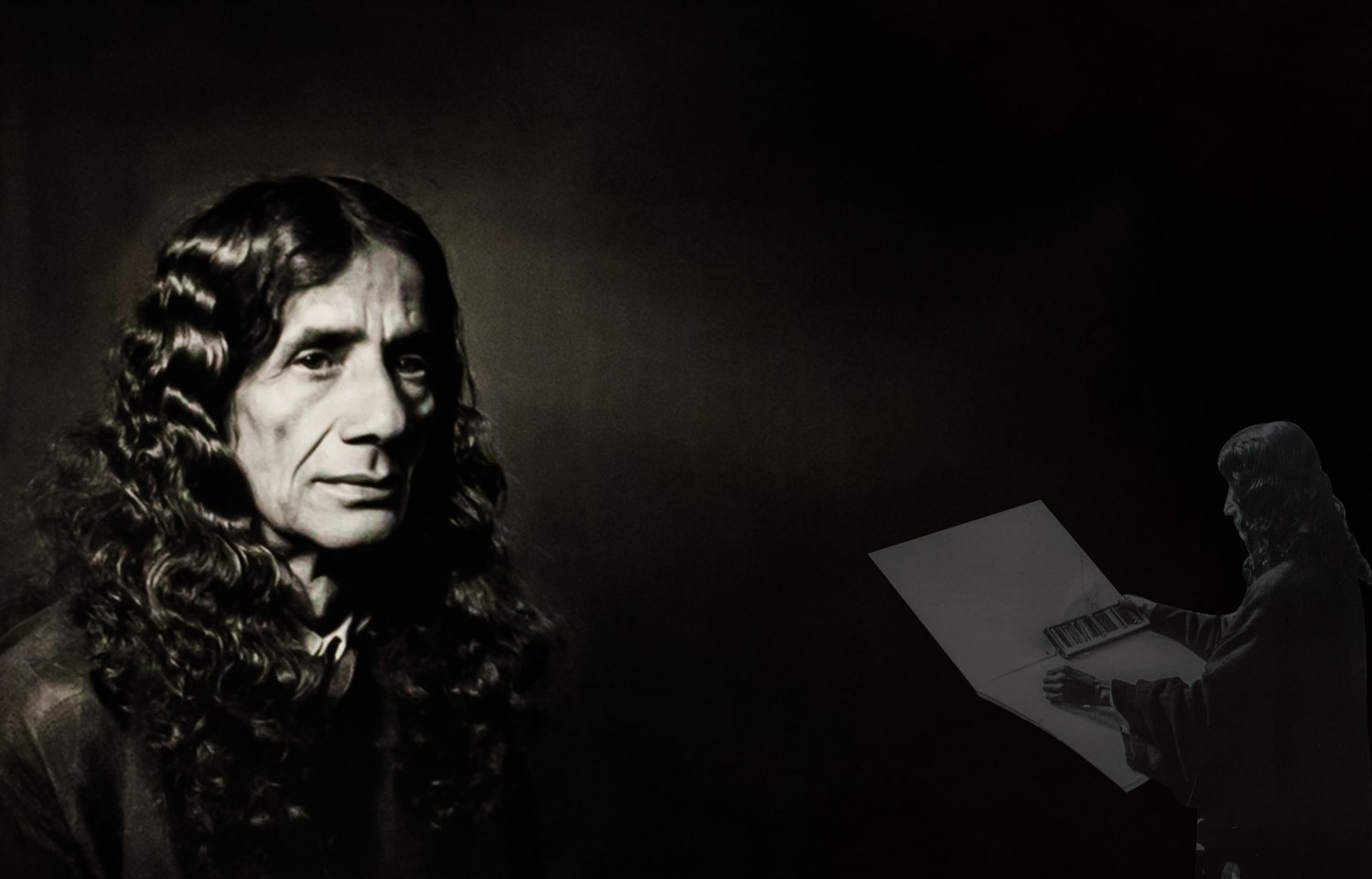

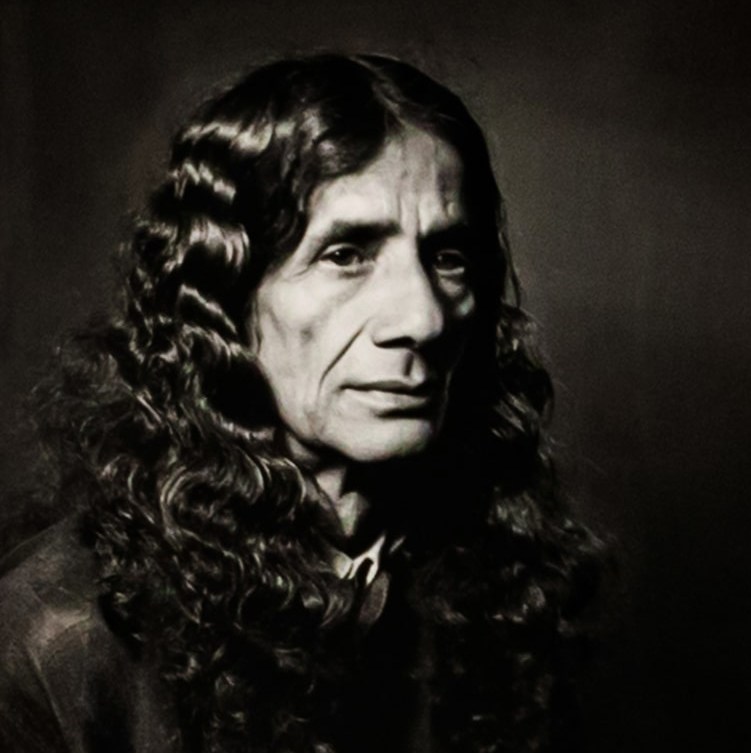
Sheikh Mohammad Sultan, widely known as S.M. Sultan, was a pioneering Bangladeshi painter celebrated for his evocative depictions of rural life and the indomitable spirit of the working class. Born on August 10, 1923, in Masimdia, Narail district, Sultan’s artistic journey was deeply rooted in his rural upbringing and his profound connection to the land and its people.
Artistic Style and Themes
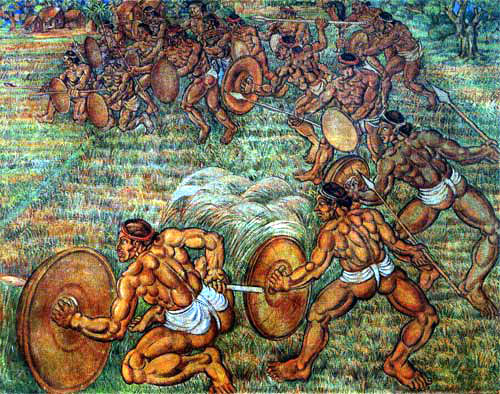
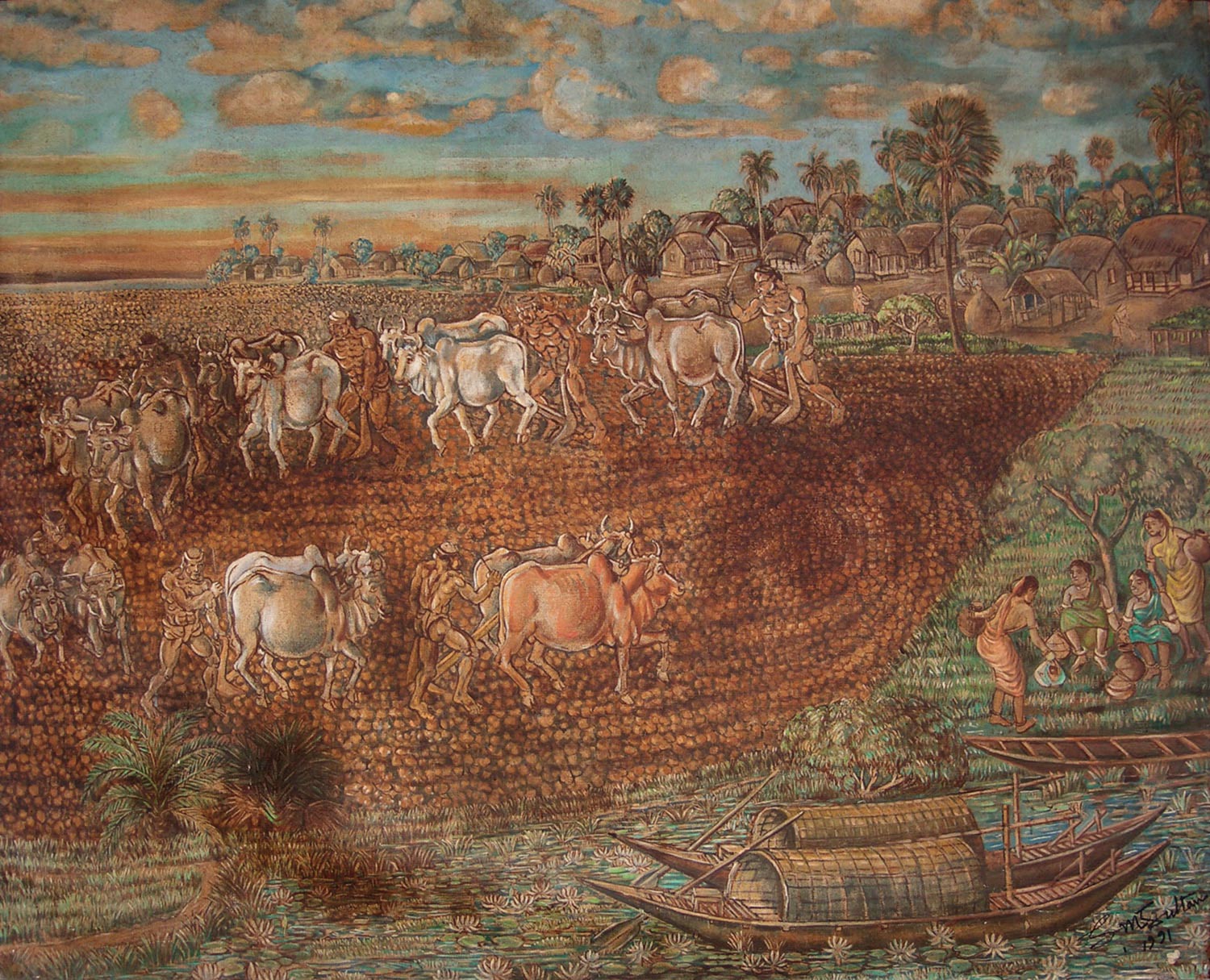
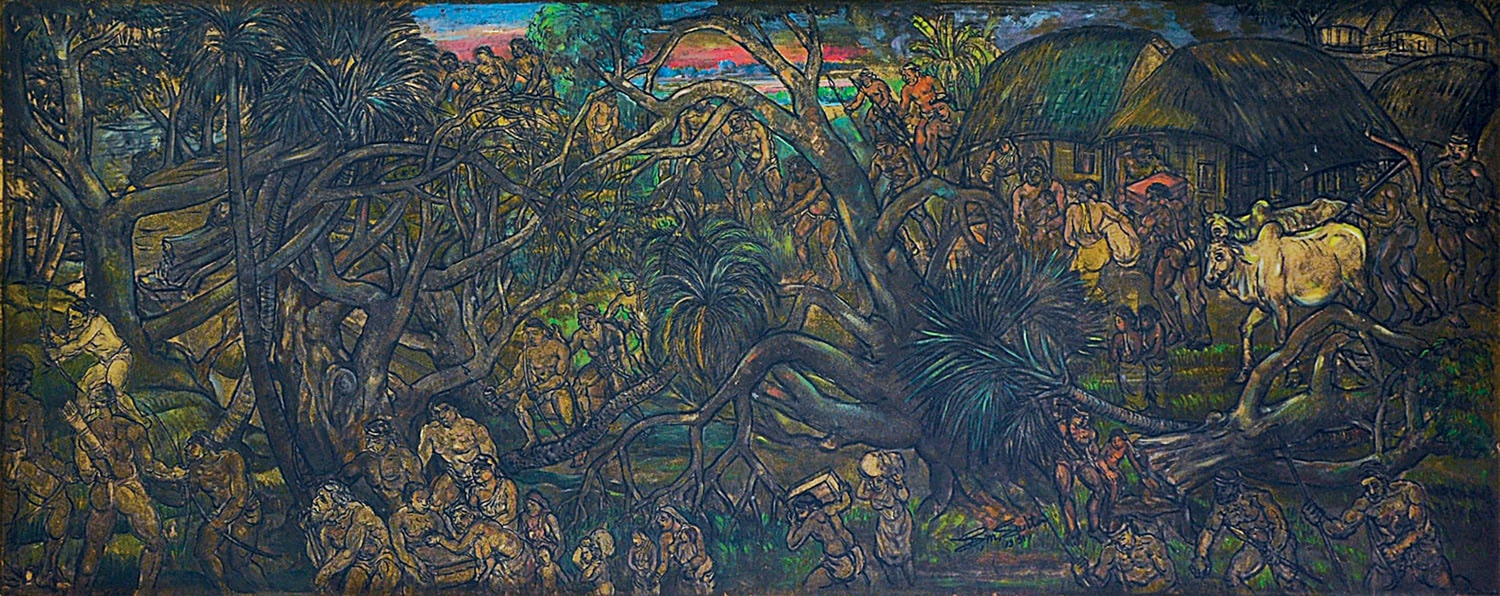
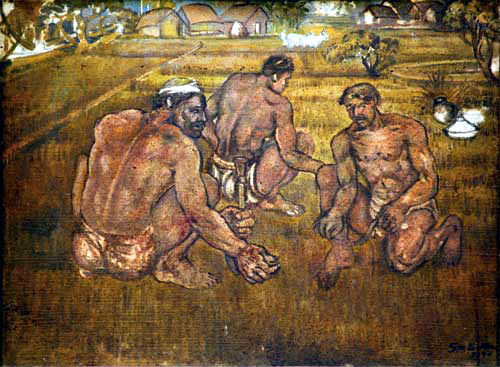
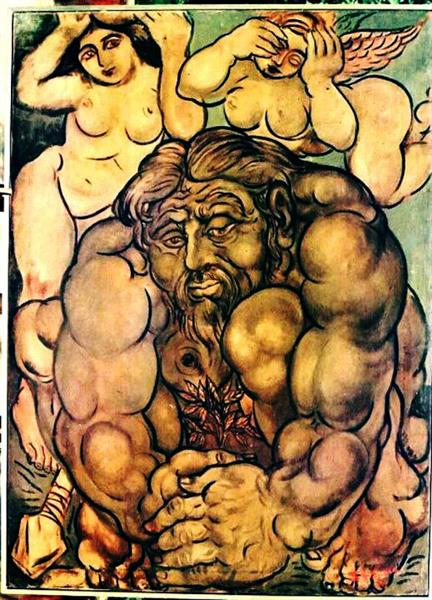
Sultan’s paintings are renowned for their bold lines, vibrant colors, and exaggeratedly muscular figures, often portraying peasants, fishermen, and laborers engaged in daily tasks. These robust representations serve to elevate the dignity and strength of the rural populace, challenging conventional portrayals of vulnerability and hardship. His male figures draw inspiration from the European Renaissance tradition, characterized by their powerful physiques, while his female figures embody the classical Indian tradition, with curvaceous forms rendered in strong, curved lines.
Initially influenced by Western art movements such as Impressionism, Sultan’s later works reflect a conscious effort to decolonize his artistic expression. He incorporated indigenous elements and themes, focusing on the lives of rural communities and their harmonious relationship with nature. This shift is evident in his 1976 exhibition, where he showcased vibrant depictions of rural life, emphasizing the resilience and vitality of the working class.
Life and Philosophy
Despite receiving formal art education in Calcutta and exhibiting internationally in cities like New York, London, and Lahore, Sultan chose a life of solitude and simplicity. He returned to Narail in 1953, where he built a modest residence near the Chitra River, living with minimal possessions and surrounded by animals and nature. This bohemian lifestyle underscored his commitment to authenticity and his rejection of commercialism in art.
Sultan’s art was not merely aesthetic; it was a form of social commentary. By portraying the strength and dignity of rural laborers, he sought to challenge societal norms and celebrate the unsung heroes of Bangladesh’s agrarian society. His works serve as a testament to the resilience and spirit of the rural populace, offering a counter-narrative to urban-centric depictions of success and beauty.
Legacy and Recognition
Sultan’s contributions to Bangladeshi art were widely recognized. He received numerous awards and honors, including the Ekushey Padak in 1982, the Bangladesh Charu Shilpi Sangsad Award in 1986, and the Independence Day Award in 1993. His works are held in several major collections in Bangladesh, including the Bangladesh National Museum, the National Art Gallery, the S.M. Sultan Memorial Museum, and the Bengal Foundation.
Beyond his artistic endeavors, Sultan was dedicated to nurturing future generations of artists. He established the Kurigram Fine Arts Institute in Narail in 1969 and the Charupeeth Art School in Jessore in 1973, providing platforms for young talents to develop their skills and express their creativity.
S.M. Sultan passed away on October 10, 1994, but his legacy endures. His art continues to inspire and resonate with audiences, offering a profound insight into the lives of rural Bangladeshis and celebrating their beauty and resilience. Through his work, Sultan has left an indelible mark on the cultural landscape of Bangladesh, reminding us of the enduring power of art to reflect and shape society.
Watch our video of SM Sultan(Bangla): https://youtu.be/sf7qaPGli2U